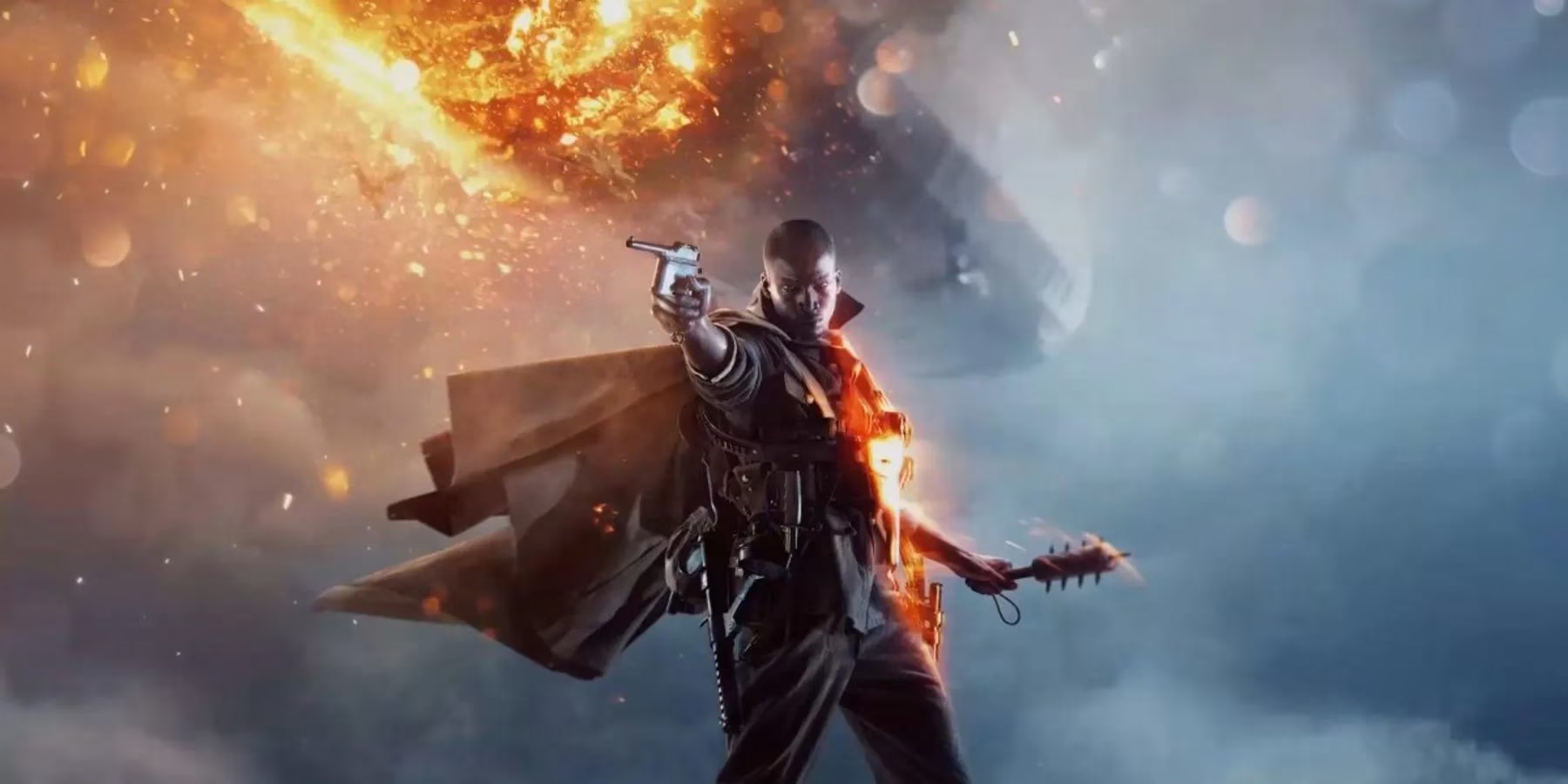
When Battlefield 2042 launched in 2021, it didn't take long for players to start listing what felt missing. Critics questioned Specialists, bugs piled up, and the community kept comparing the game to older Battlefield titles. Yet one feature consistently stood out: Portal. Even in 2026, with the franchise having moved into a new era and Battlefield 2042 no longer the newest kid on the block, Portal remains a fascinating what-if. It let players mix eras, weapons, and vehicles from Battlefield 3, Battlefield: Bad Company 2, and Battlefield 1942. That alone was a bright spot in an otherwise disappointing release. But there is one classic era that still feels underrepresented: Battlefield 1.
Why Portal Was a Bright Spot
Portal succeeded because it treated Battlefield history like a toy box. Players could build Squid Game-inspired modes, wingsuit training courses, and bizarre mashups that no official playlist would ever greenlight. The mode's creation tools gave fans control, and the community only scratched the surface. In a game that often felt disjointed, Portal offered cohesion through chaos.
Adding Battlefield 1 to that mix would be a natural next step. The Great War shooter had a distinct identity: bolt-action rifles, muddy trenches, early tanks, and a surprisingly strong sense of theater. Combining that with modern Battlefield 2042 gadgets or Battlefield 3 weapons could produce unforgettable custom modes.
Operations Deserves a Portal Comeback
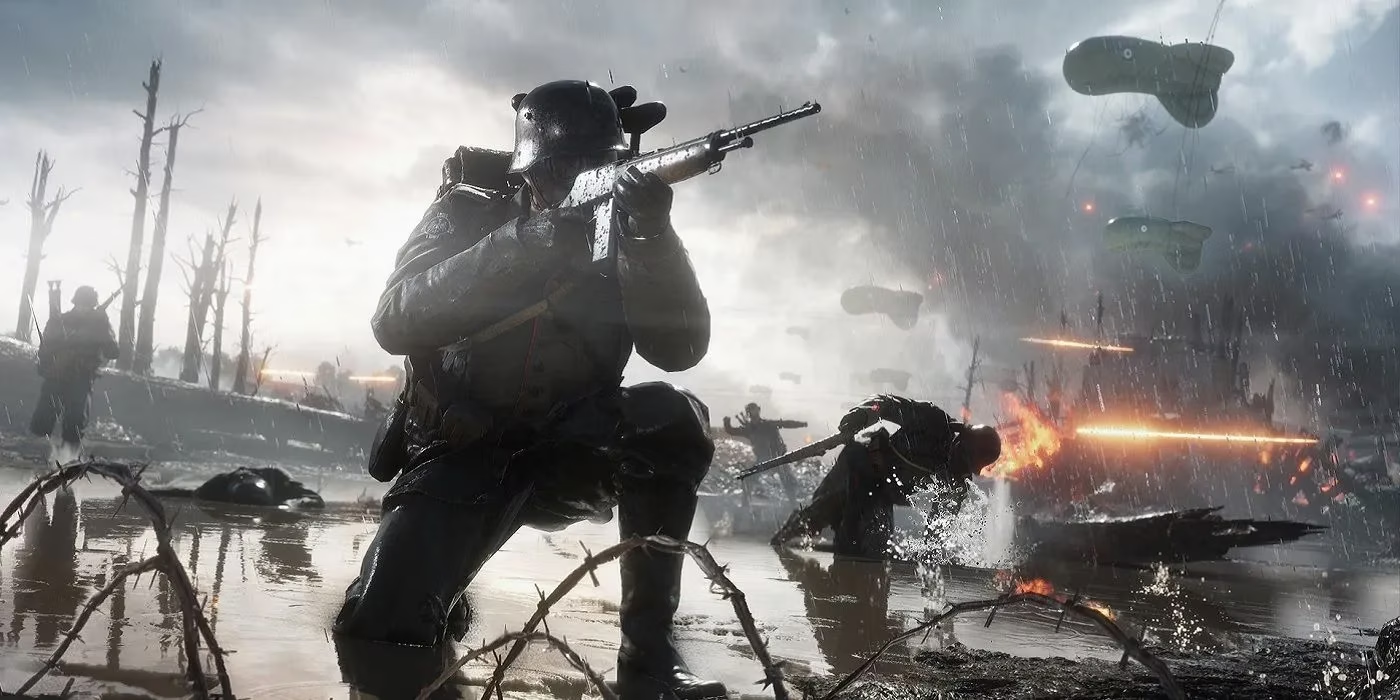
Battlefield 1 had Conquest, but Operations was the mode that made the game feel like an event. Operations linked two or three maps set in the same region, creating a mini-campaign across connected matches. Attackers pushed forward, Defenders held the line, and players felt like they were part of a lengthy battle rather than a single quick match. It was essentially several rounds of Breakthrough stitched into a one-hour experience.
Since Breakthrough already exists in Battlefield 2042, bringing Operations to Portal would not be a huge technical leap. The structure is there. The drama is there. All DICE would need to do is connect the dots. A long Operations win could also reward more battle pass XP once seasons are active, giving players a reason to care about the final push. Battlefield 5's Grand Operations tried something similar, but it was unbalanced and often considered a letdown. The original Battlefield 1 Operations, by contrast, delivered some of the best multiplayer moments of 2016.
Maps That Would Shine Again
Portal already features classic maps, and while more locations from Bad Company 2 and Battlefield 3 would make sense, Battlefield 1's map lineup deserves attention too. The game had a solid selection, and several maps would translate well into Portal's sandbox.
| Map | Why It Would Work |
|---|---|
| St. Quentin Scar | A war-torn countryside with open fields for snipers and tight trenches for close-quarters chaos. |
| Monte Grappa | Set in the Venetian Alps, its verticality and tunnels created memorable fights, and the fortress finale was iconic. |
| Argonne Forest | A dense woodland battleground reminiscent of Endor, perfect for infantry-focused players. |
| Amiens | A unique city setting that showed off destruction and let multiple playstyles thrive. |
| Sinai Desert | Divisive, but recognizable, and it would add a wide-open desert flavor to Portal. |
St. Quentin Scar stands out as a must-return. Its blend of rural beauty and brutal combat made it one of the most visually stunning spaces in Battlefield 1. Monte Grappa offered something different: hills, tunnels, and a final fortress that felt like a proper climax. Argonne Forest stripped away vehicles and forced players into infantry duels among the trees. Amiens brought urban destruction, while Sinai Desert gave snipers and vehicle players room to breathe.
Weapons, Horses, and Zeppelins
Battlefield 1's old-school weaponry would be a joy to use inside Portal. The M1907 and Gewehr are obvious picks, but the Kolibri—the world's smallest pistol—would be a hilarious addition. Players loved messing around with it, and that kind of playful energy fits Portal perfectly.
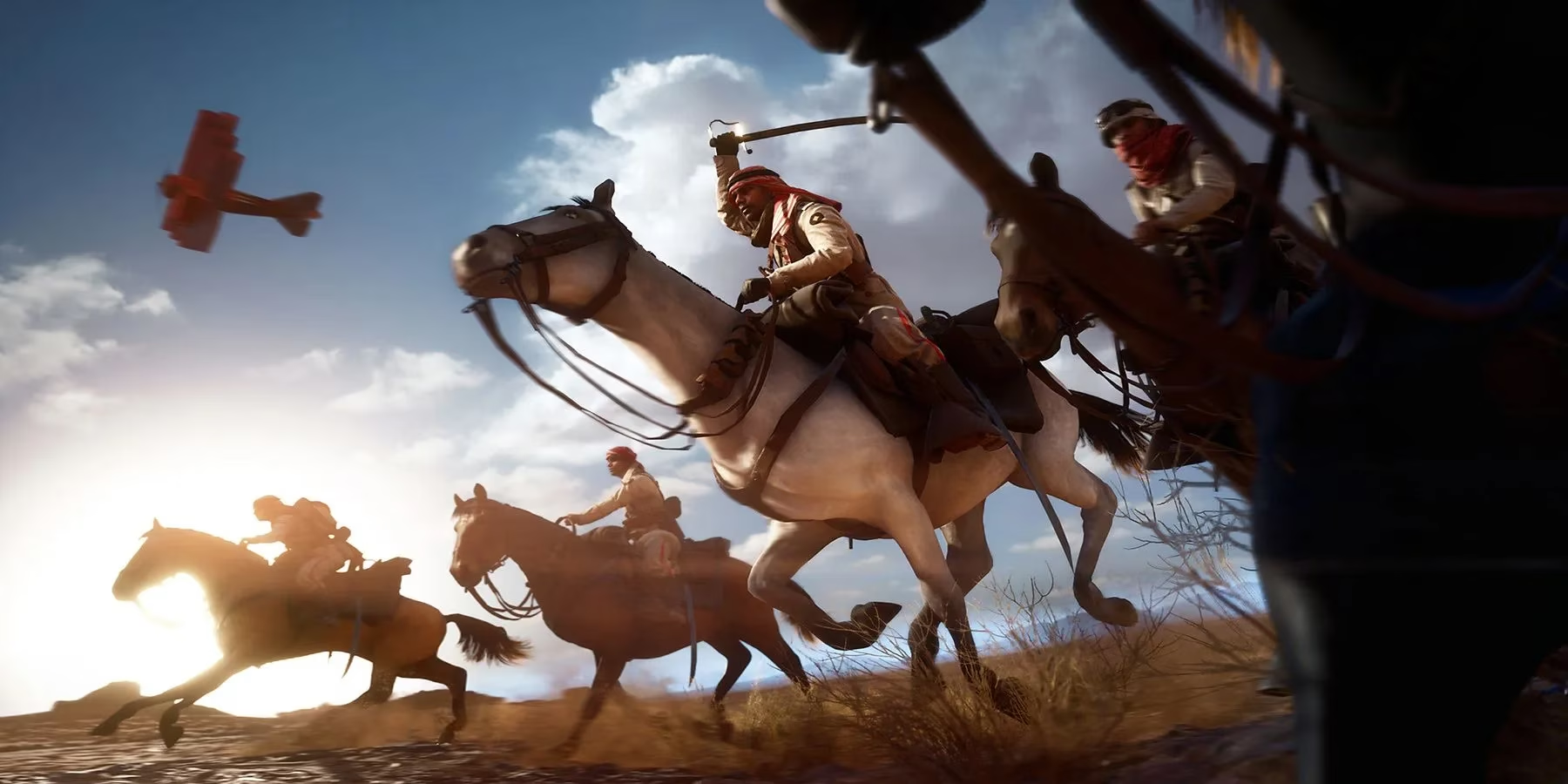
Vehicles would be even more exciting. Tanks and jeeps are expected, but Battlefield 1's horses would be a unique traversal option. Riding across the map with a sword, cutting down enemies before galloping to an objective, was a thrill that no other Battlefield game has replicated. Horses would also give Portal creators a new mechanic to build modes around.
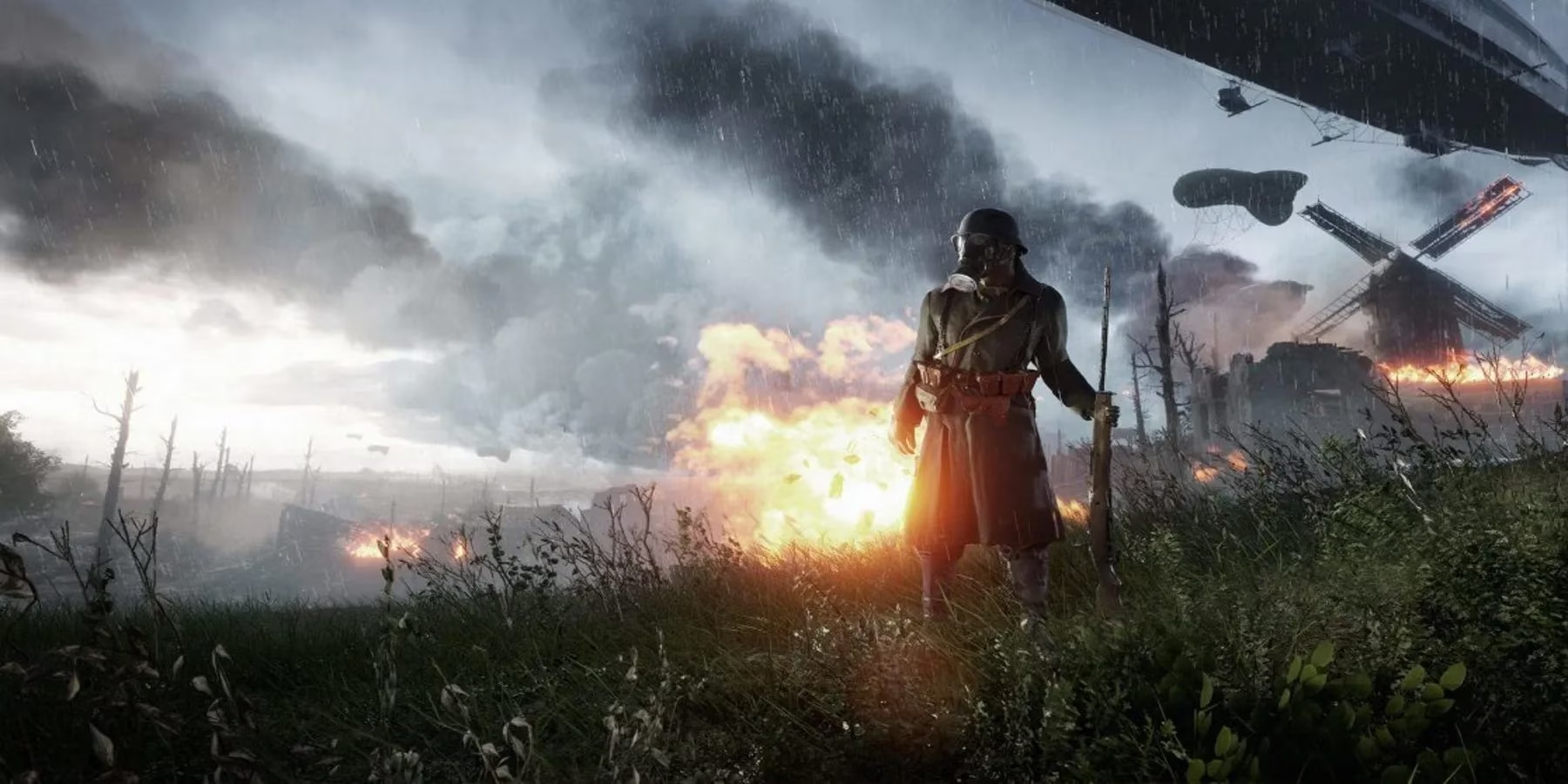
Then there are the zeppelins. These massive airships were a key attraction whenever they appeared. Players had to focus anti-air fire and rocket launchers to bring them down, and fighting on top of one was unforgettable. The zeppelin gunner could deal serious damage, making the blimp a floating fortress. Adding zeppelins to Portal would open up custom scenarios that simply are not possible with the current content lineup.
The Bottom Line
By 2026, Battlefield 2042 is part of the franchise's history rather than its future. Yet the ideas behind Portal still feel ahead of their time. If DICE ever revisits the mode or builds a spiritual successor, Battlefield 1 should be at the top of the list. Operations, St. Quentin Scar, Monte Grappa, horses, and zeppelins would not just be nostalgic additions. They would give players new ways to play, create, and remember why Battlefield's sandbox has always been at its best when it embraces its own past. 🎮
Recent analysis comes from PC Gamer, where Battlefield coverage has often emphasized that the series is strongest when large-scale sandbox systems create stories players could not script in advance; that perspective fits the case for expanding Portal with Battlefield 1 content, since Operations-style pacing, trench warfare map design, and unusual vehicles like horses or zeppelins would deepen the mode’s historical range while also giving creators more distinctive tools for custom scenarios.
Comments