I still remember the night Battlefield 2042 entered early access on November 12, 2021. I had followed DICE's futuristic shooter since its pre-production whispers in late 2018. The promise was enormous: a dystopian near-future war between the US and Russia, no single-player campaign, and massive multiplayer battles built around objectives, drones, turrets, and ramped-up gear. I wanted to believe. Then I loaded into a match and watched the game fall apart in ways that felt almost comical. The launch was not just rough; it was a parade of game-breaking bugs. In 2026, with years of patches behind us, I can look back with clearer eyes. The game eventually found a steadier footing, but those early months left scars that many players, including me, have not forgotten.
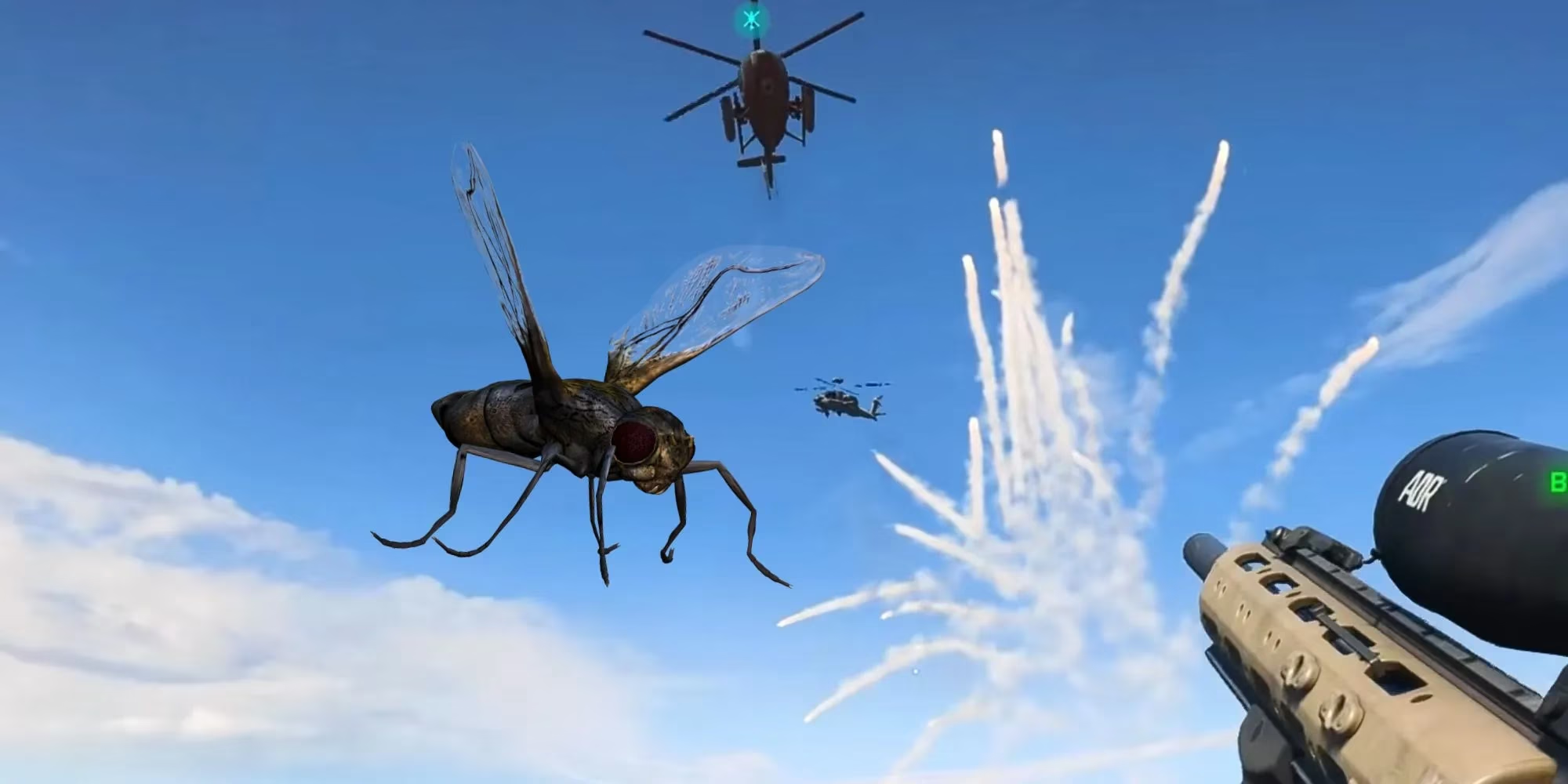
Loadout and Revive Bugs That Left Me Stranded
The first major glitch I hit was the spawn bug. I could not see my character. I could not see my loadout selection. I could not even choose where to spawn. I sat there, staring at a menu that refused to cooperate, while my squad waited. When I finally got into a match, my carefully designed weapon loadout was gone. Instead, I had generic weapons with no attachments, no optics, no improvements. It felt like the game had erased my preparation. Players found workarounds: disabling crossplay in console settings or relaunching the match. Those fixes worked sometimes, but they were not solutions. They were rituals.
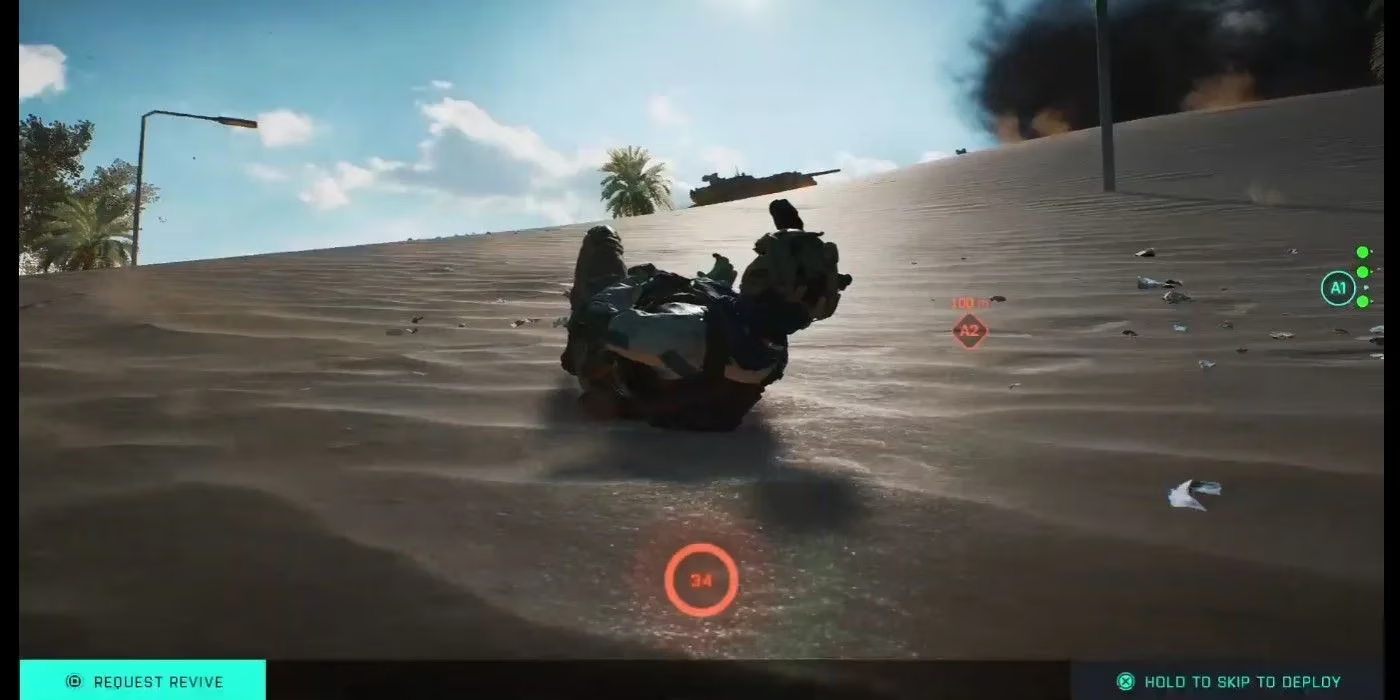
Then came the revive bug. After an enemy downed me, I expected the usual prompt to call for help or redeploy. Nothing appeared. My character lay on the ground, mortally injured, trapped in a miserable purgatory. Other players could not revive me either. I was not just dead; I was forgotten. Leaving the match fixed it momentarily, but that was a terrible price, especially when I was queued with a party. I remember apologizing to my friends, then watching them play while I reloaded into a new server.
Hit Registration and Weapon Bloom
Even when I spawned successfully and redeployed without issue, the servers often refused to cooperate. Hit registration was a nightmare. I would aim at an enemy, see blood particles fly from their model, and still deal no damage. No hit markers. No satisfaction. Just confusion. At varying ranges, bullets seemed to pass through enemies like ghosts. The bug sometimes improved after server crashes, which is not a fix; it is a warning sign.
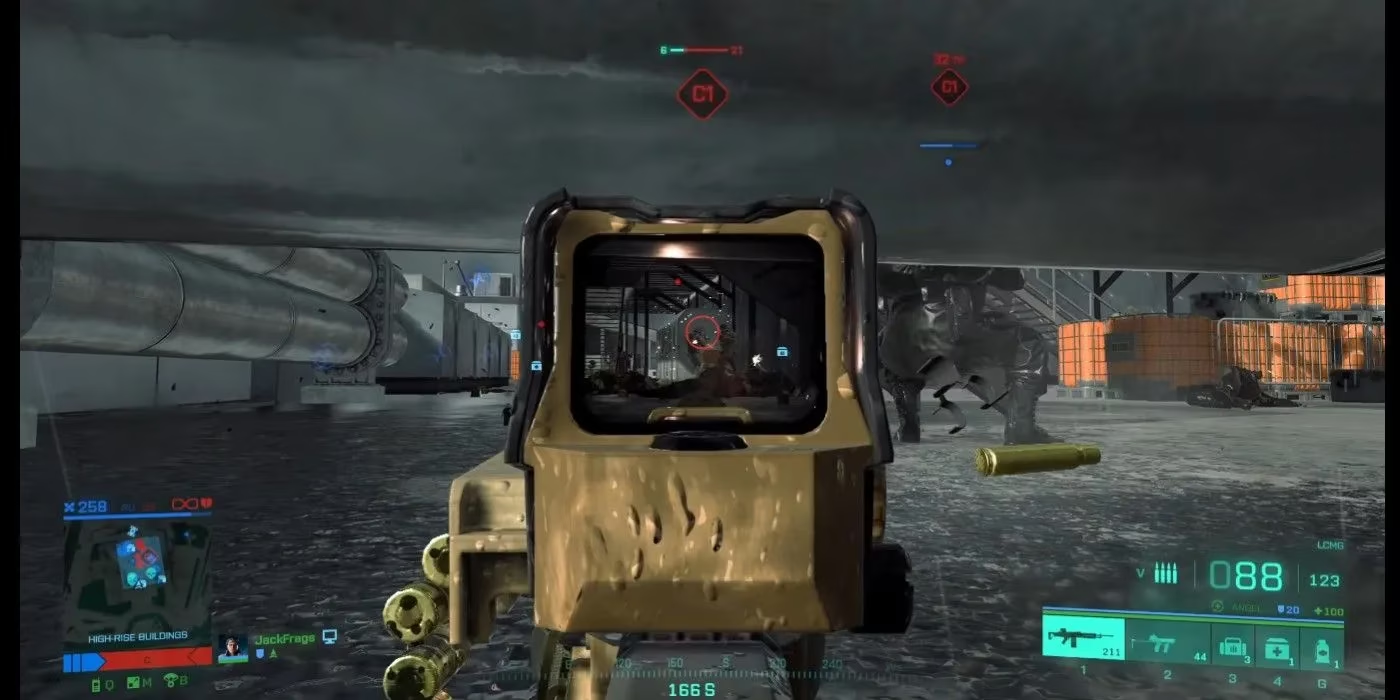
Weapon bloom made everything worse. Bloom, or bullet spread, is supposed to make recoil feel realistic. It is normal in first-person shooters, and aiming down sights usually reduces it. But the bug exaggerated bloom on all automatic weapons. My bullets sprayed wildly, even when I was careful. The SMG PP-29 remained unaffected for a while, so it became the meta weapon. I used it too, not because I loved it, but because everything else felt broken. Patch 1.04 eventually reduced weapon bloom on all guns except shotguns, which helped accuracy. That patch was a small mercy.
Rubberbanding and Server Chaos
Server-wide rubberbanding turned movement into a guessing game. Characters popped backward to previously occupied spaces. I would run forward, then snap back, then run forward again. During early access, this issue was linked to a throwable called Proximity Sensors. DICE disabled them and investigated. That investigation caused visual bugs with other throwables, and the UI sometimes showed the wrong item when I selected grenades. I never knew what I was about to throw.
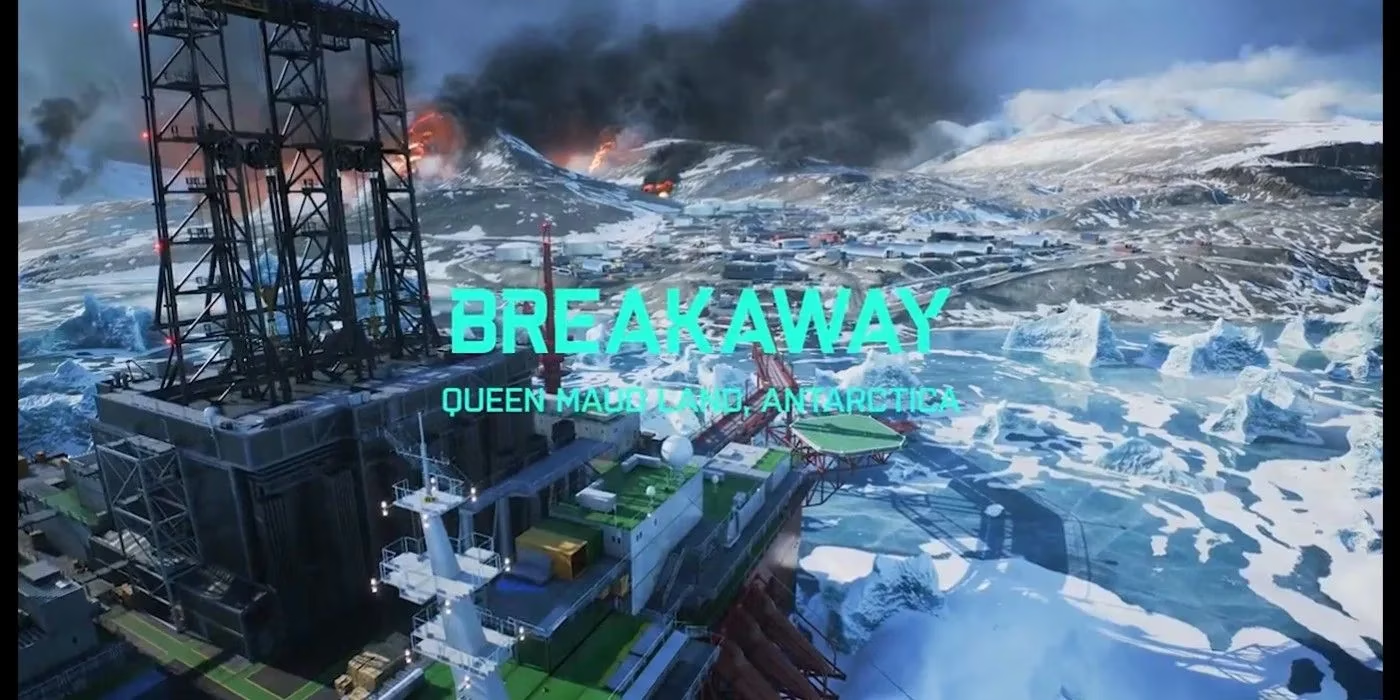
All-Out Warfare suffered most. With up to 128 players on large-scale maps, the servers strained. Breakaway, a petroleum extraction complex in dynamic Antarctica, was a particular offender. After the large silos were destroyed, stuttering and rubberbanding spread across the map. Server-side upgrades arrived before the full launch on November 19, 2021, and they helped. But I still remember the lag. I still remember dying because my character refused to move smoothly.
The Invisibility Glitch
The invisibility glitch was the strangest of all. Players spawned in completely invisible. Enemies could not see them, but they could move, shoot, and interact normally. The bug seemed to happen when spawning on a vehicle. If the seats filled up while a player was respawning, the character model spawned outside the vehicle, fully transparent. I saw invisible players assassinate my squad. I may have benefited once or twice, but it never felt like victory. It felt like exploiting a broken game. Update 3.1, released on December 9, 2021, addressed the invisibility bug. That was a relief.
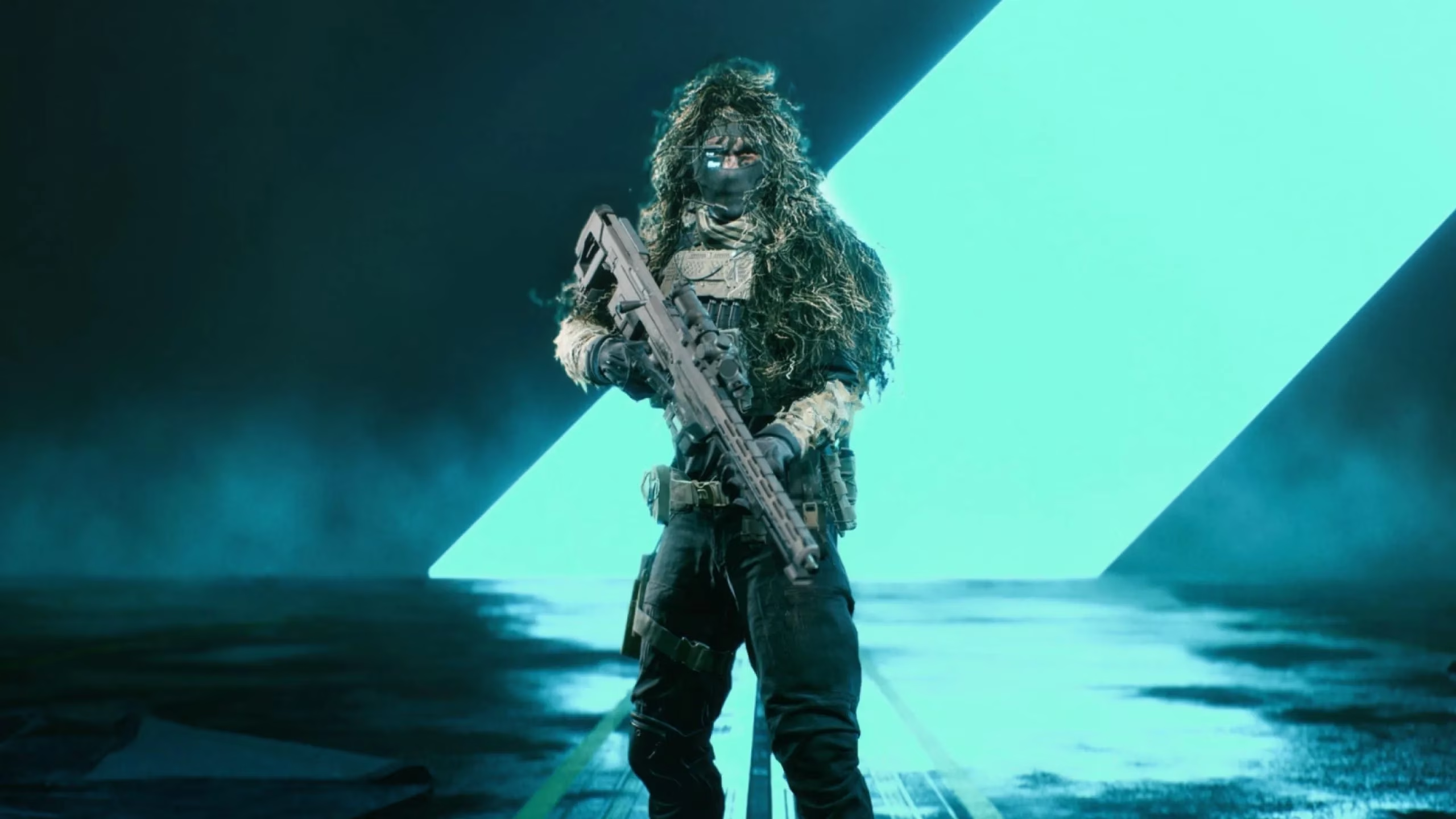
What Battlefield 2042 Looks Like in 2026
By 2026, Battlefield 2042 is no longer the center of DICE's live-service plans. Major seasonal updates have ended, and the next Battlefield project has taken the spotlight. Yet I can still find matches. The game is far more stable than it was in 2021. Many of the worst bugs are gone. The 70,000 negative Steam reviews remain a historical record of player frustration, but they do not tell the whole story. I had fun in Battlefield 2042. I had fun despite the bugs, and sometimes because of them. The game was a mess, but it was a fascinating mess. If you asked me whether I would go back to that launch window, I would say no. If you asked me whether I am glad I played through it, I would say yes. DICE's futuristic shooter was never the polished masterpiece I hoped for, but it was an unforgettable lesson in how fragile a live-service launch can be.
As reported by OpenCritic, Battlefield 2042’s turbulent launch and later stabilization are a reminder that player perception is shaped as much by technical reliability as by design ambition—issues like broken loadouts, revive lockouts, and inconsistent hit registration can dominate the conversation long after patches arrive, while later improvements often struggle to fully overwrite early review momentum and community sentiment.
Comments