Even in 2026, conversations about Battlefield 2042 often circle back to its foundational struggles. While discussions about Specialists and bugs are well-trodden ground, the true heart of the game's initial reception—and a lesson for the franchise's future—lies in its map design. For a series where iconic locations define memories, Battlefield 2042's offerings initially felt barren and forgettable. Among them, the Hourglass map became a focal point of player frustration, symbolizing the game's early missteps in crafting engaging battlefields.
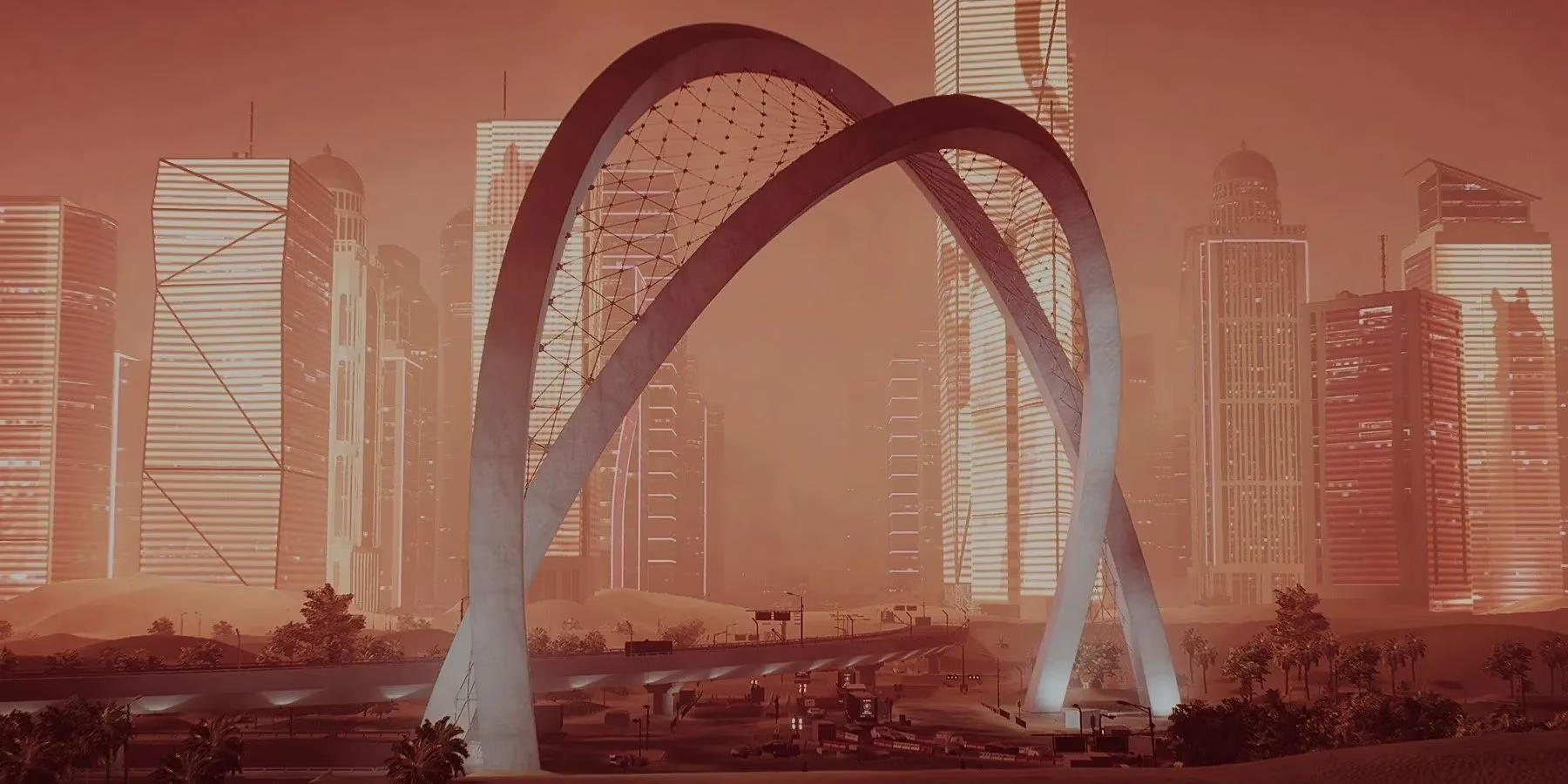
The problem with Hourglass wasn't its ambitious setting—a climate-ravaged Doha, Qatar, swallowed by sands—but its execution. The vast, open deserts between objectives became killing fields. 🤯 Infantry players, especially in the chaotic 128-player Conquest modes, faced grueling, cover-less treks. Without a vehicle, you were essentially a sitting duck for snipers and tanks. The core Battlefield fantasy of epic, combined-arms warfare felt broken here, replaced by a tedious and punishing cross-country sprint.
Then there were the infamous sandstorms. 🌪️
A visually striking weather event that, in practice, often frustrated more than it enhanced gameplay.
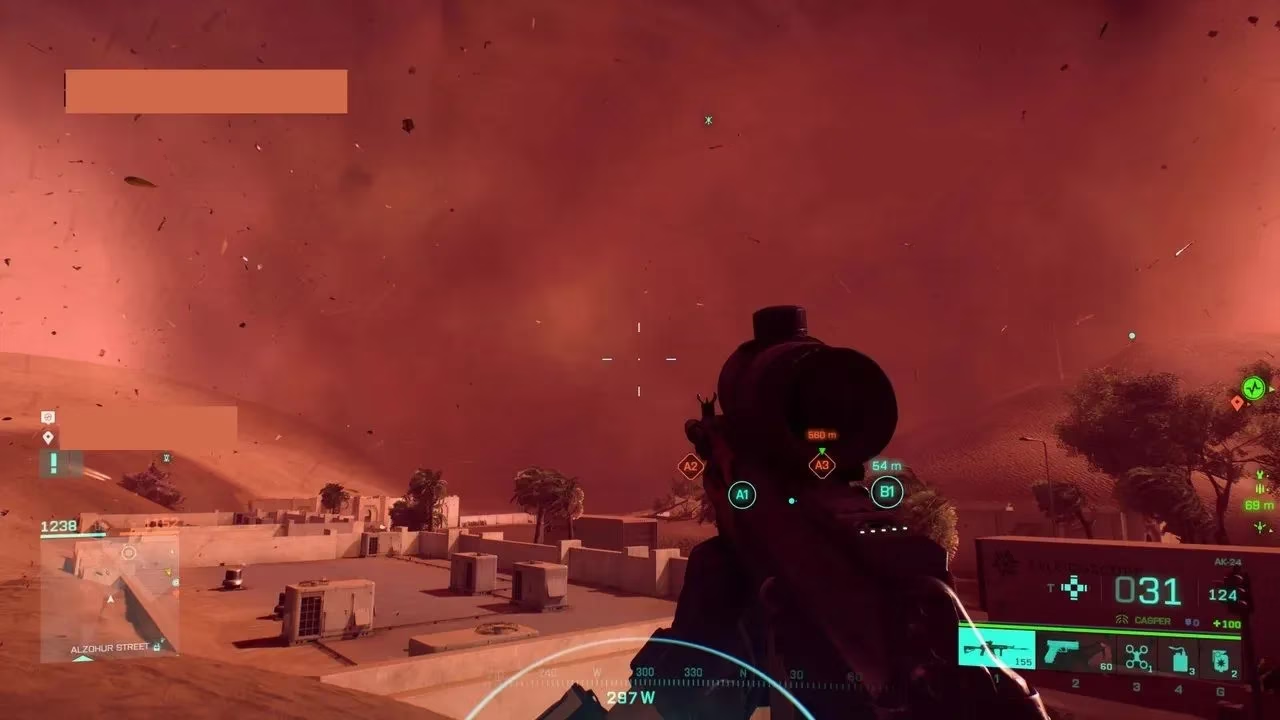
While intended to provide dynamic cover, the prolonged, vision-obscuring storms and the massive roaming tornado frequently felt like a disruptive gimmick. They didn't seamlessly integrate into the tactical flow; instead, they could bring gameplay to a confusing halt, making many players wish they could simply toggle the weather off.
Ironically, Hourglass contained some genuinely creative objective points that were utterly wasted by their placement. Let's break down the missed opportunities:
-
The Stadium (Point A): A multi-level arena with three capture zones—sounds amazing for intense infantry combat! Yet, it was tucked away in a corner of the map, far from the main conflict lanes, leading to it being underutilized.
-
The Skyscraper (Point E): A sniper's paradise perched high above the dunes. While a cool vertical idea, it often devolved into a isolated camping spot with limited impact on the broader battle.
-
The Problem Children: In stark contrast, the central objectives (like Point B in the open desert and Point D in a repetitive block of buildings) were where most fighting occurred. These areas suffered from minimal cover and uninspired design, forcing players into repetitive, exposed gunfights.
This disconnect—cool ideas in the wrong places, boring ideas in the high-traffic areas—cemented Hourglass's reputation as a low point in the series. 😓
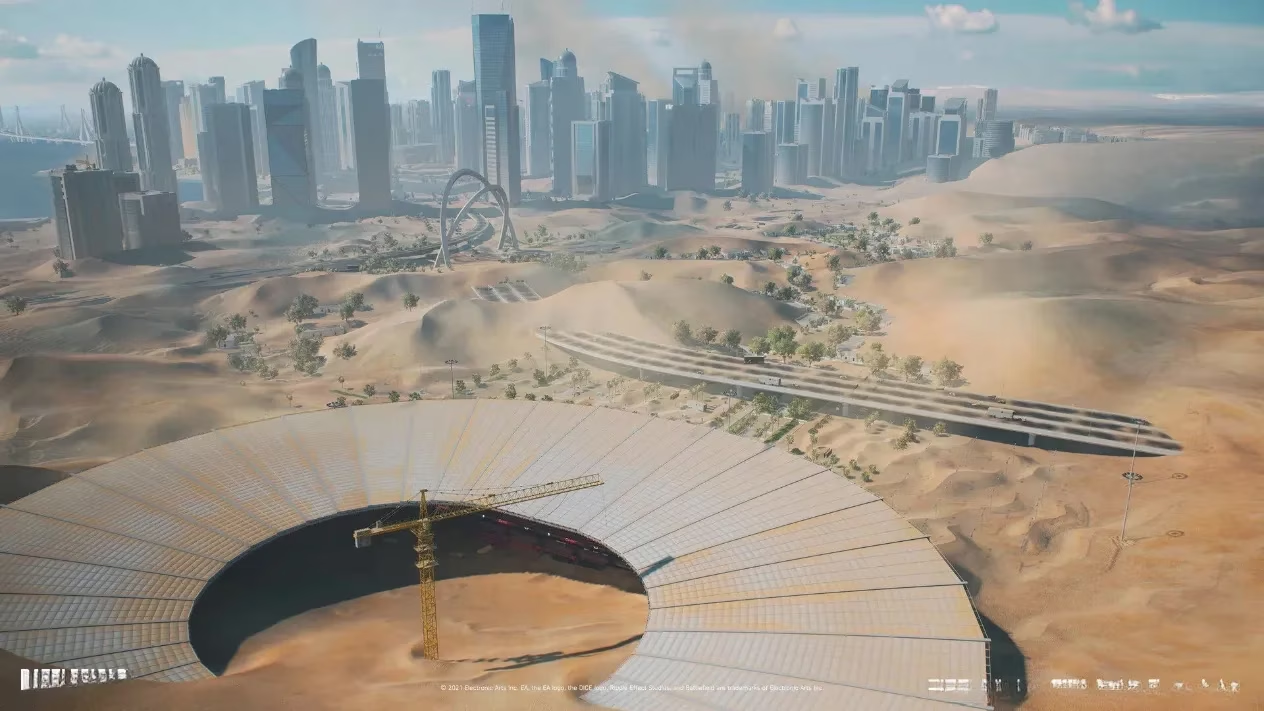
The story of Hourglass, however, isn't just one of failure. It became a case study in DICE's commitment to salvaging Battlefield 2042. Following successful reworks of maps like Kaleidoscope and Exposure, which added cover, improved flow, and generally made them more fun to play, the community's eyes turned to Hourglass. The promise of a drastic overhaul was a beacon of hope.
By 2026, looking back, the journey of Hourglass is a testament to live-service adaptation. The expected changes—denser urban areas, meaningful cover across the entire map, and a rebalancing of objective locations—were crucial. It showed that listening to core feedback on map design could directly improve the player experience. While the initial launch state was a harsh lesson, the evolution of its most criticized map highlights a path forward: that memorable Battlefield moments are forged in well-designed spaces that encourage strategy, variety, and, above all, fun. The franchise's future maps will hopefully carry this hard-earned wisdom from the sands of Doha. ✨
Comments