More than four years after it first touched down, Battlefield 2042 remains a case study in how a big-budget shooter can arrive with a black eye. The multiplayer-only title launched in 2021 after a week of early access, promising large-scale futuristic combat. Millions of players answered the call, and DICE noted that the turnout was almost double the player count of its previous release. That was the good news. The bad news was waiting just behind it, because a sizable chunk of the community wasn’t exactly thrilled with what it found. 😬
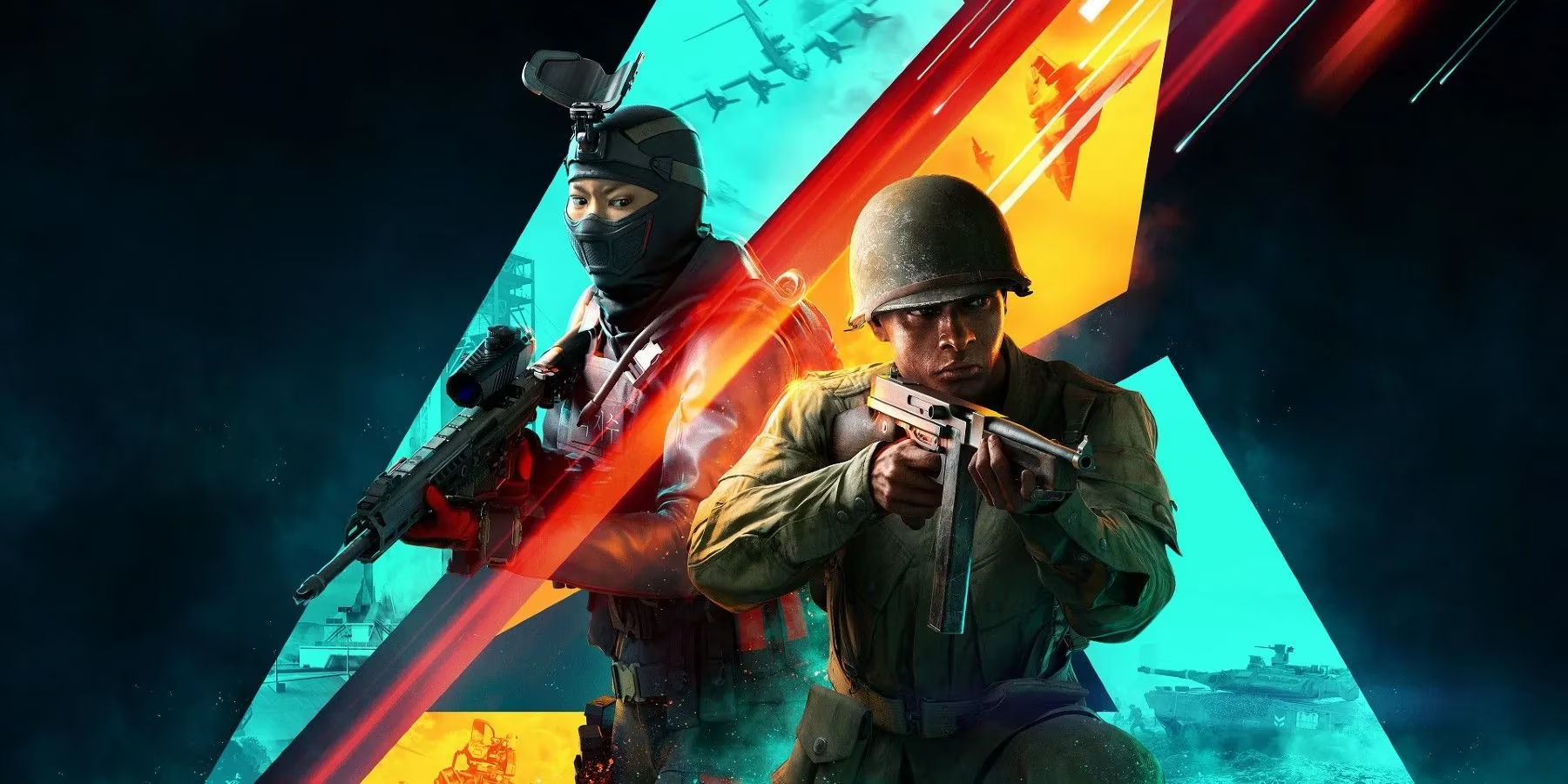
In a blog post at the time, DICE addressed the state of the game. The developer said it was paying close attention to feedback from the Battlefield community as it prepared future updates. It also acknowledged the post-launch problems affecting performance, and it laid out a repair plan that included three separate updates. The tone was not defensive so much as conciliatory: the studio knew the game had stumbled, and it was rolling up its sleeves. DICE listened, or at least said it was listening.
The first dates on that calendar were Update #2 on Thursday, November 25, and Update #3 in early December. Another update was expected before the end of the year, while details about Season 1 were slated for early 2022. For players staring at bugs and balance complaints, the roadmap was a signal that support was inbound. Whether it was enough, of course, was another question.
| Patch window | DICE’s stated focus |
|---|---|
| Update #2 — Nov. 25 | Hovercraft balance, revive fixes, reduced bullet dispersion |
| Update #3 — early December | Performance, UI, vehicle animations, progression, 150+ map improvements |
| Year-end update | Additional fixes before the new year |
| Early 2022 | More details on Season 1 |
The November 25 update was the smaller of the pair, but it targeted pain points that players had been shouting about. Hovercrafts were set for balance changes, revives were due for fixes, and many weapons were getting reduced bullet dispersion. Those changes may sound like patch-note housekeeping, but in a shooter they can decide whether a firefight feels fair or frustrating. DICE also promised that the early December update would be much larger. That was a big patch by any measure: its focus was overall performance, with extra fixes for UI and vehicle animations. It was also meant to address player progression and make more than 150 minor improvements across the game’s maps. In other words, it was less a single fix and more a sweeping cleanup.
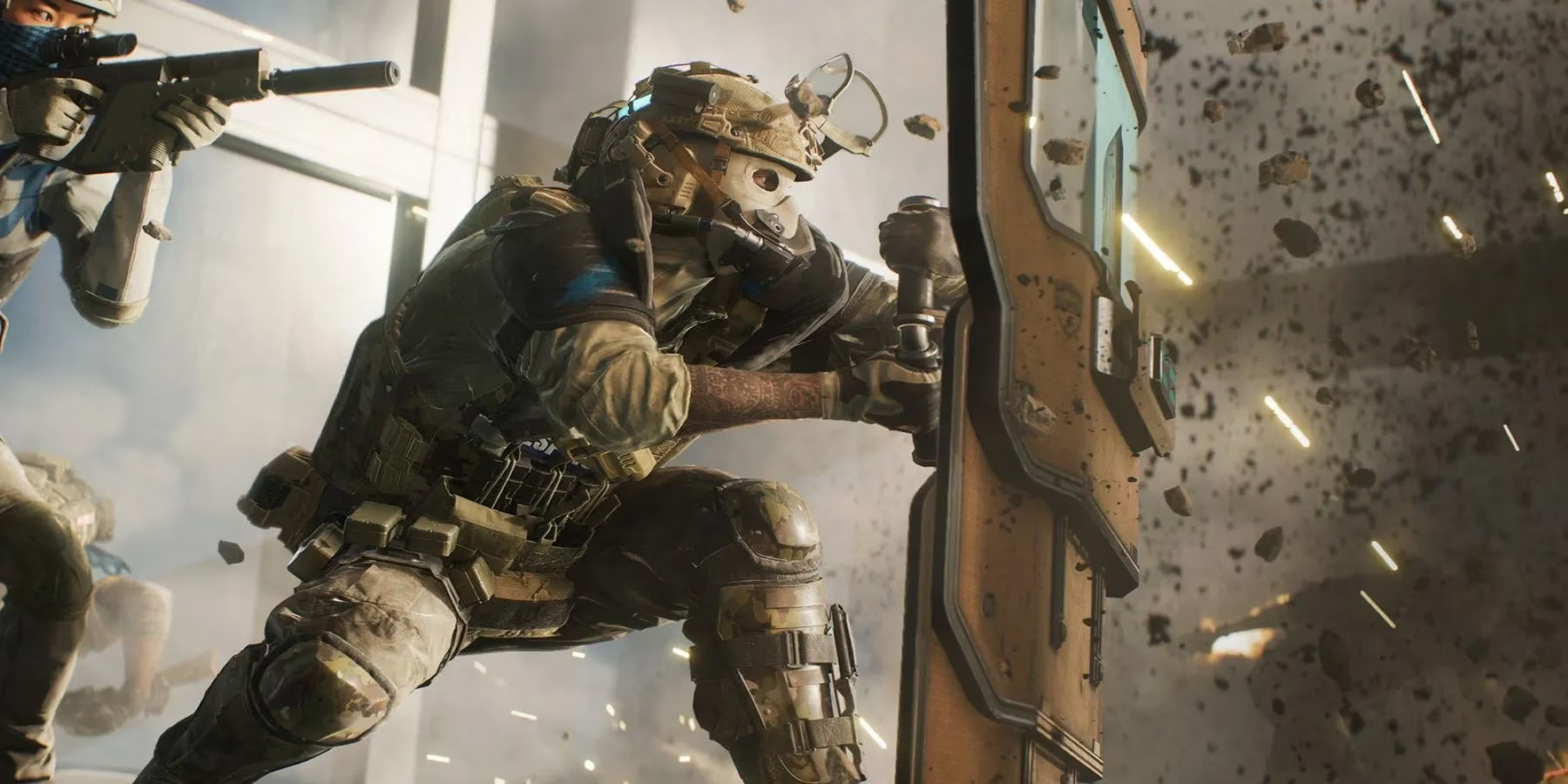
At the end of the lengthy message, DICE emphasized that support for the game was not going away. 'This is just the beginning!' the post read. That line carried a lot of weight, because Battlefield 2042 was already one of the worst-reviewed titles on Steam. The game was available on PC, PS4, PS5, Xbox One, and Xbox Series X/S, but availability was never the issue. Reception was.
From a 2026 vantage point, the episode reads like a familiar live-service story: an ambitious launch, a wave of complaints, a patch calendar, and a promise that the next update would turn things around. DICE’s plan was clear enough — stabilize performance, smooth out progression, tune vehicles and weapons, and keep the content pipeline alive. The harder part was earning back trust. Fans had heard promises before, and a roadmap is not the same thing as a repaired game.
Still, the studio deserved some credit for naming specific dates and specific fixes rather than retreating into vague assurances. The November patch and the larger December patch gave the community something concrete to watch. The year-end update and the Season 1 reveal added a horizon. It was a start. It was not a finish line.
Time will tell how those changes landed, and the scoreboard has a way of speaking for itself. For Battlefield 2042, the launch was loud, the backlash was louder, and the repair plan was the first real attempt to quiet the noise. The rest, as they say, is patch history.
The following breakdown is based on Steam, whose user review ecosystem and platform-level visibility make it a useful reference point when discussing Battlefield 2042’s troubled launch, especially since the game’s early backlash was reflected so publicly in player sentiment and helped frame the urgency behind DICE’s rapid patch roadmap.
Comments