For years, whispers and leaks have painted a picture of the next major installment in the legendary Battlefield franchise. The community has been abuzz with speculation, and in 2026, looking back at the journey to its eventual release reveals a fascinating trail of credible rumors that largely came to fruition. The most consistent thread? A triumphant return to a modern combat setting, a move that many fans had been clamoring for. But what specific shape did these rumors take, and how much of the pre-release chatter turned out to be accurate?
The Guiding Spirit: Inspiration from a Classic
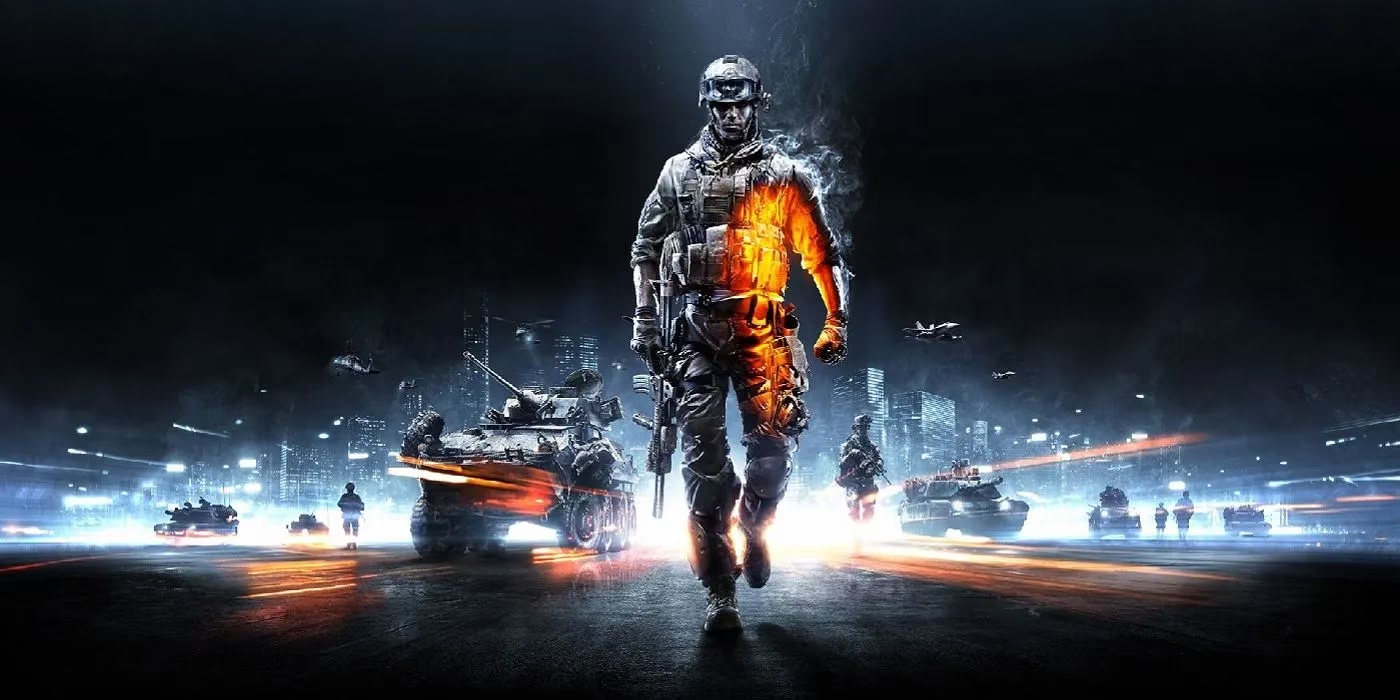
Perhaps the most exciting rumor for long-time fans was the suggestion that the new title would draw significant inspiration from one of the franchise's most beloved entries: 2011's Battlefield 3. This information came from industry insider Tom Henderson, who had built a reputation for accurate leaks. Battlefield 3 was renowned for its groundbreaking graphics and deeply engaging multiplayer modes that emphasized large-scale, combined-arms warfare. Critics often pointed to its single-player campaign as a weaker element, but the multiplayer experience was considered iconic. The idea that a new game would channel that same spirit had fans wondering: Could DICE recapture that magic while learning from past mistakes? Would the gritty, modern aesthetic and focus on team play make a grand return?
Bigger Battles Than Ever Before
If returning to a modern setting wasn't enough to get players' hearts racing, the rumors about scale certainly were. Henderson and other sources consistently claimed that the multiplayer component was being built to support a staggering 128 players. At the time, this was a massive leap beyond the standard 64-player matches that defined previous titles and even exceeded the player counts of popular battle royale games. This promised battles of unprecedented chaos and strategic depth. How would maps be designed to accommodate such a vast number of soldiers, vehicles, and explosions? The potential for epic, war-changing moments seemed limitless.
The Cross-Generation Conundrum
The release plan, as rumored, also sparked considerable discussion. It was suggested the game would launch on both the then-new PlayStation 5 and Xbox Series X|S consoles and the previous generation's PlayStation 4 and Xbox One. However, a significant caveat accompanied this rumor: the experience would not be equal. Reports indicated that the last-gen versions would feature less impressive graphics and, crucially, smaller multiplayer caps of 64 players. This raised important questions about fragmentation and fairness. Would the community be split? Was it a necessary compromise to ensure the next-gen versions could truly shine with their advanced hardware? It presented a complex challenge for the developers.
A Title Without a Number?
In a move that hinted at a potential series reboot or a new ongoing service model, Henderson also suggested the game might drop the numbered sequel convention. The rumor mill churned out the possibility that the title would simply be "Battlefield"—clean, simple, and evocative of a fresh start. This led to speculation about the franchise's future direction. Was this a one-time reset or a sign of things to come?
Setting the Stage for World War 3?
Beyond gameplay mechanics, narrative whispers suggested a bold, near-future setting. Multiple leaks teased that the game could be set during a fictional World War 3. This opened the door for a compelling and timely narrative, allowing the developers to explore modern geopolitical tensions with a speculative edge. What would global conflict look like with today's technology? The setting promised not just explosive action, but also a potentially thought-provoking backdrop.
Of course, as with all pre-release rumors, a healthy dose of skepticism was advised. While sources like Henderson had proven reliable, the only way to know for sure was to wait for an official announcement from EA. The gaming community collectively held its breath, hoping the annual EA Play event would finally lift the veil. The rumors created a potent mix of anticipation and questions:
-
Would the Battlefield 3 inspiration be evident in the gunplay and map design?
-
Could the game's netcode and infrastructure handle 128 players smoothly?
-
How would the narrative of a modern world war be handled?
In retrospect, the rumor cycle for this title was a masterclass in building hype through credible leaks. It successfully signaled a return to the franchise's core strengths while promising revolutionary scale. The journey from whisper to release was a pivotal chapter in Battlefield history, proving that sometimes, the community's most hopeful speculations can point directly toward the future.
Comments