The Battlefield franchise has always been a pioneer in the first-person shooter genre, known for its large-scale warfare and innovative gameplay. While recent entries have faced challenges, one feature from 2026's landscape continues to stand out as a beacon of creativity and player freedom: the beloved Portal mode. This community-centric toolset, which first gained prominence in Battlefield 2042, has evolved into a cornerstone for fan engagement, offering a unique sandbox where past and present collide. Its potential for future titles is immense, promising a level of customization and replayability that could redefine the series for years to come.
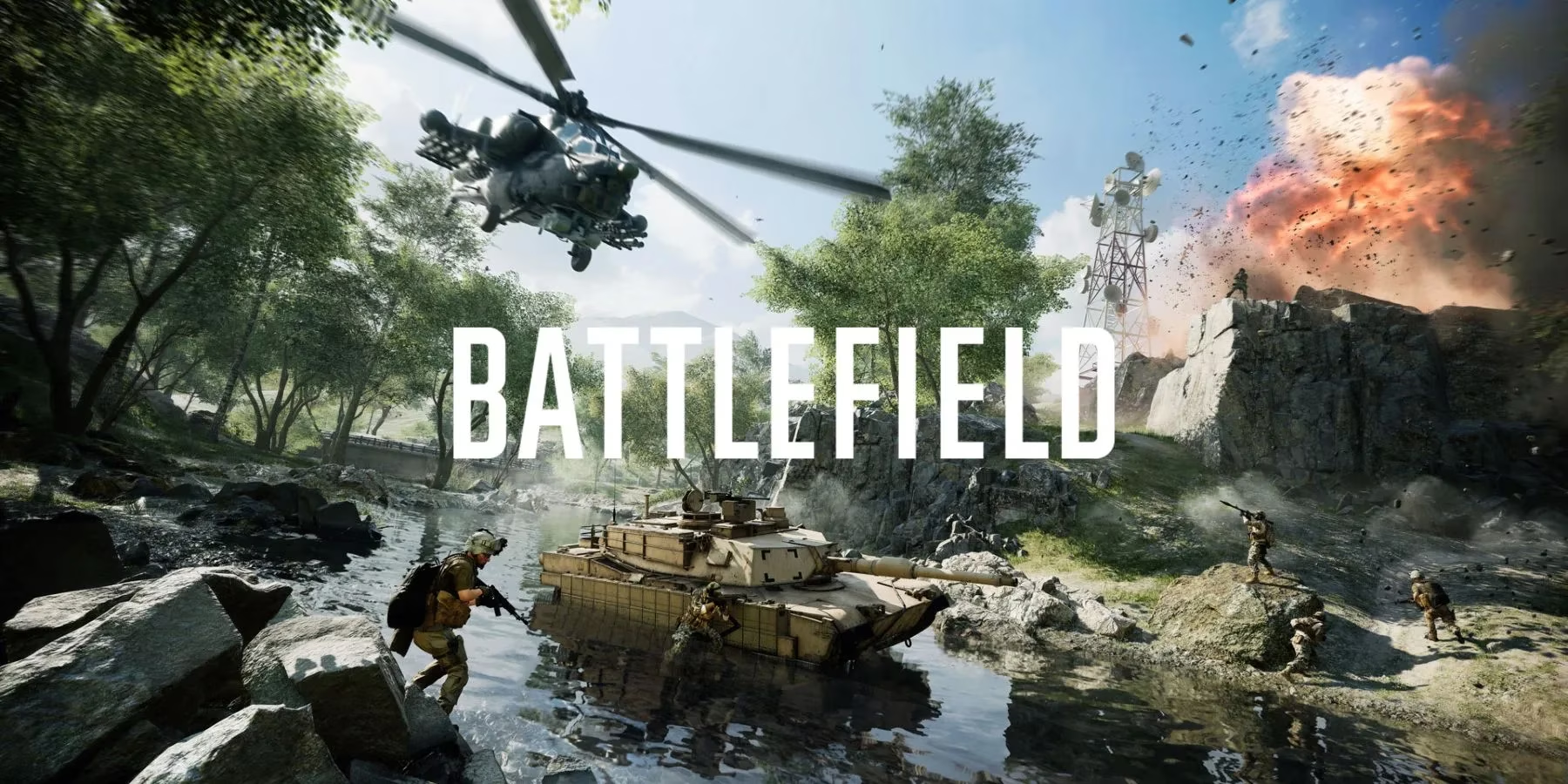
Originally, Portal was a revolutionary concept that gave players unprecedented control. 🤯 It allowed the community to host their own servers, mixing and matching assets from iconic titles like Battlefield 1942, Bad Company 2, Battlefield 3, and Battlefield 2042. Imagine the chaos and fun of wielding World War II weapons on a futuristic map or piloting a modern attack helicopter in a classic battlefield setting. The possibilities were, and still are, thrilling:
-
Character & Faction Mashups: Combine soldiers from different eras.
-
Weapon & Vehicle Crossovers: Create loadouts that defy time periods.
-
Map Rotation Remixes: Play on classic maps with modern rulesets.
This freedom turned players into creators, fostering a vibrant ecosystem of custom game modes. However, the initial implementation faced hurdles tied to the broader reception of its base game. The community's vitality is the lifeblood of Portal, and its success hinges on a strong, active player base.
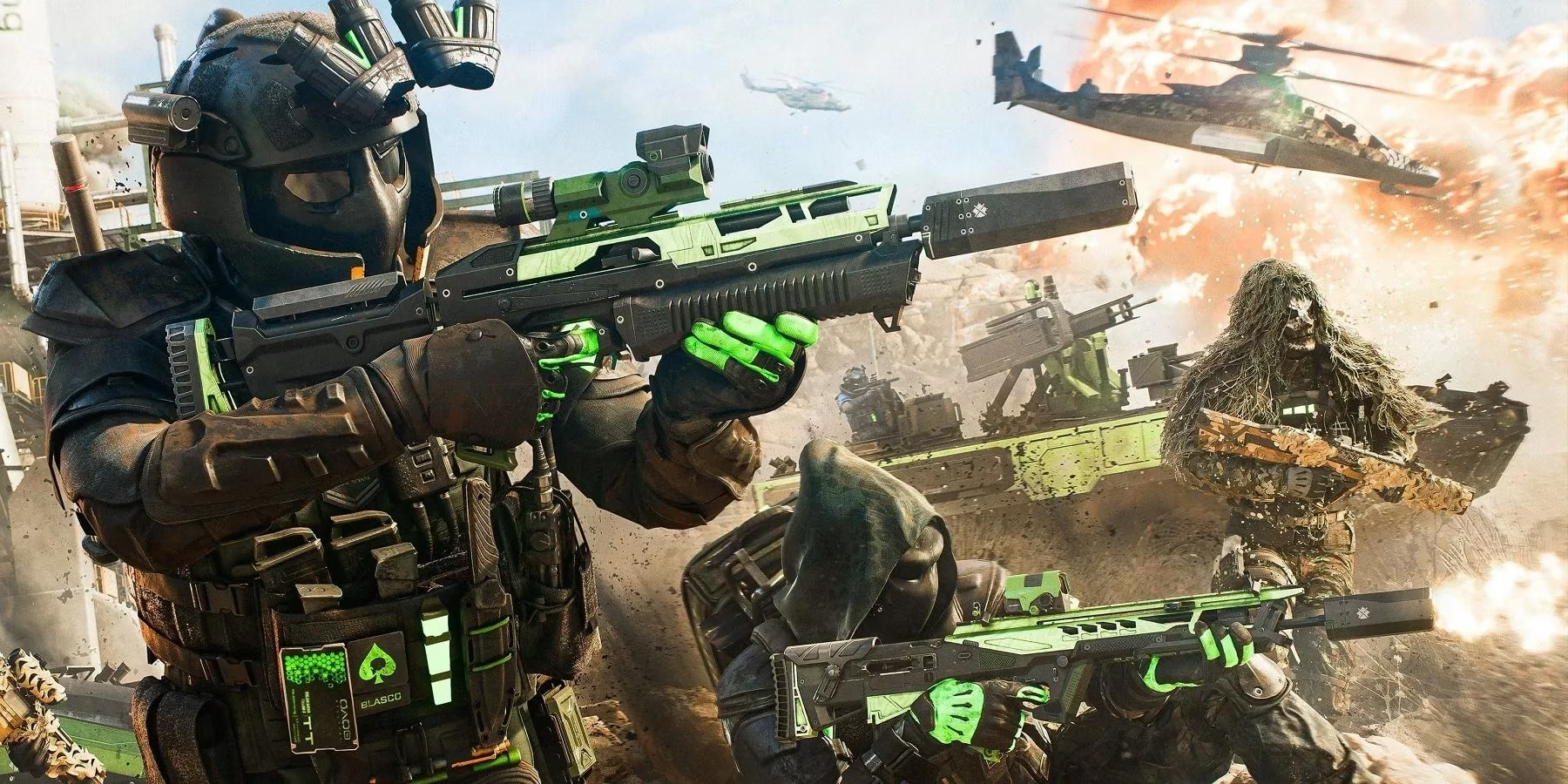
Looking ahead to the next major Battlefield release expected post-2026, the consensus is clear: Portal must not only return but evolve. The most requested and logical evolution is the introduction of fully-fledged map creation tools. ✨ Currently, players can remix existing assets, but the dream is to build entirely new battlefields from the ground up.
Why is this the game-changer?
| Current Portal Limitation | Future Portal Potential with Map Creation |
|---|---|
| Mixing pre-existing maps and assets. | Designing brand-new landscapes from scratch. |
| Limited to DICE's curated content. | Infinite replayability with community-made maps. |
| Game modes constrained by existing geography. | Tailored environments for specific, fan-invented modes. |
Allowing map creation aligns perfectly with Portal's core philosophy of player freedom. Since the mode already breaks traditional immersion by blending eras, there's no artistic or design reason to restrict this creative leap. It would unlock a new golden age of community content.
Think of the possibilities: tightly designed infantry-only arenas, massive vehicle playgrounds, or narrative-driven experiences—all built by fans, for fans. This would transform Portal from a nostalgic playground into a living, breathing platform for innovation. New maps mean new strategies, new meta-games, and a constantly refreshing experience that keeps players engaged season after season.
Furthermore, robust creation tools would empower the community to address their own desires directly. Want a return to tighter, more focused infantry combat? The community can build it. Dreaming of a massive, naval-focused map? Resourceful creators will deliver. This level of investment fosters a deeper connection to the game and ensures a diverse, ever-changing playlist of content.
In 2026, the gaming landscape is more community-driven than ever. The next Battlefield has a golden opportunity to learn from the past and double down on what works. By carrying forward and radically expanding the Portal concept with true map creation, the franchise can secure its future not just through developer-led content, but through the boundless creativity of its most passionate players. The future of Battlefield isn't just in its next set of official maps; it's in the hands of its community, waiting to be built. 🛠️🚀
Comments