As I look at the gaming landscape in 2026, it's fascinating to reflect on how the industry has evolved, yet many of the core stories from a few years ago still resonate today. I remember back in late 2021 when the gaming world was buzzing with a mix of corporate drama, exciting updates, and surprising developments that shaped where we are now.
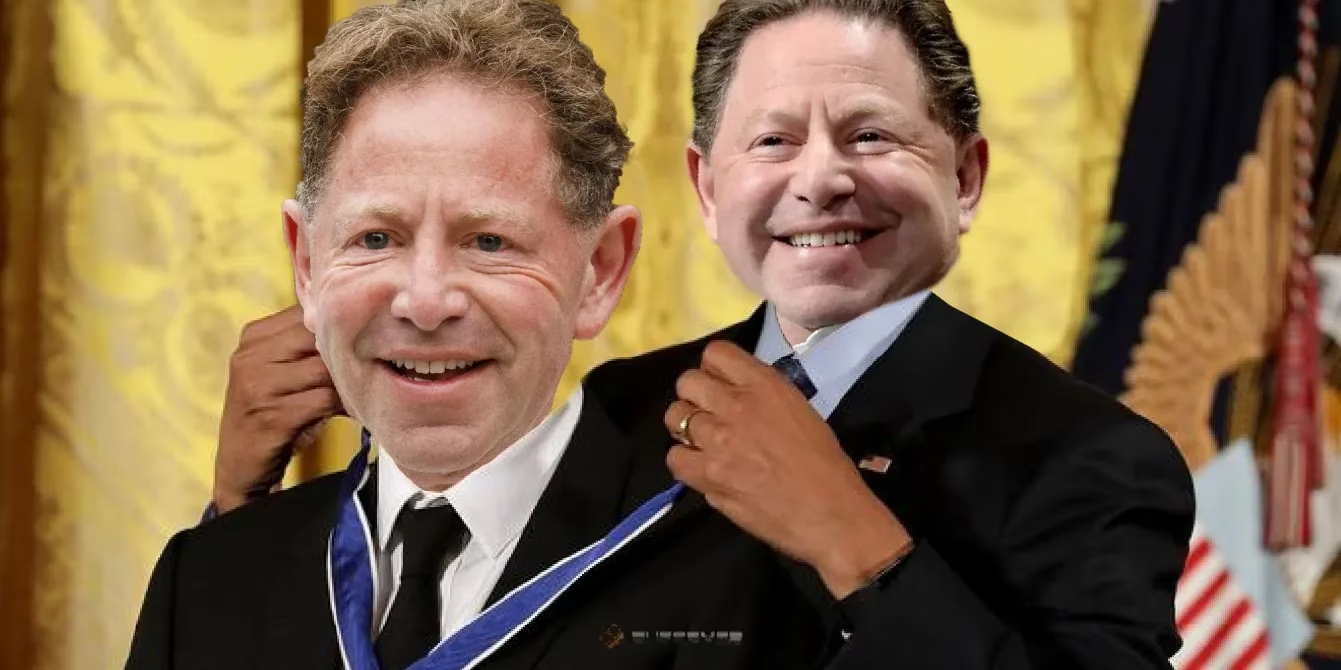
One of the most surreal stories I've encountered involved Activision Blizzard's internal investigation. The company's board actually appointed a committee to investigate allegations surrounding CEO Bobby Kotick. What made this particularly noteworthy was that the committee consisted of the board's only two women at the time. Their stated purpose was to oversee the implementation of new policies and commitments aimed at improving workplace culture and eliminating harassment and discrimination. Looking back from 2026, this was clearly a watershed moment that pushed the entire industry toward greater accountability.
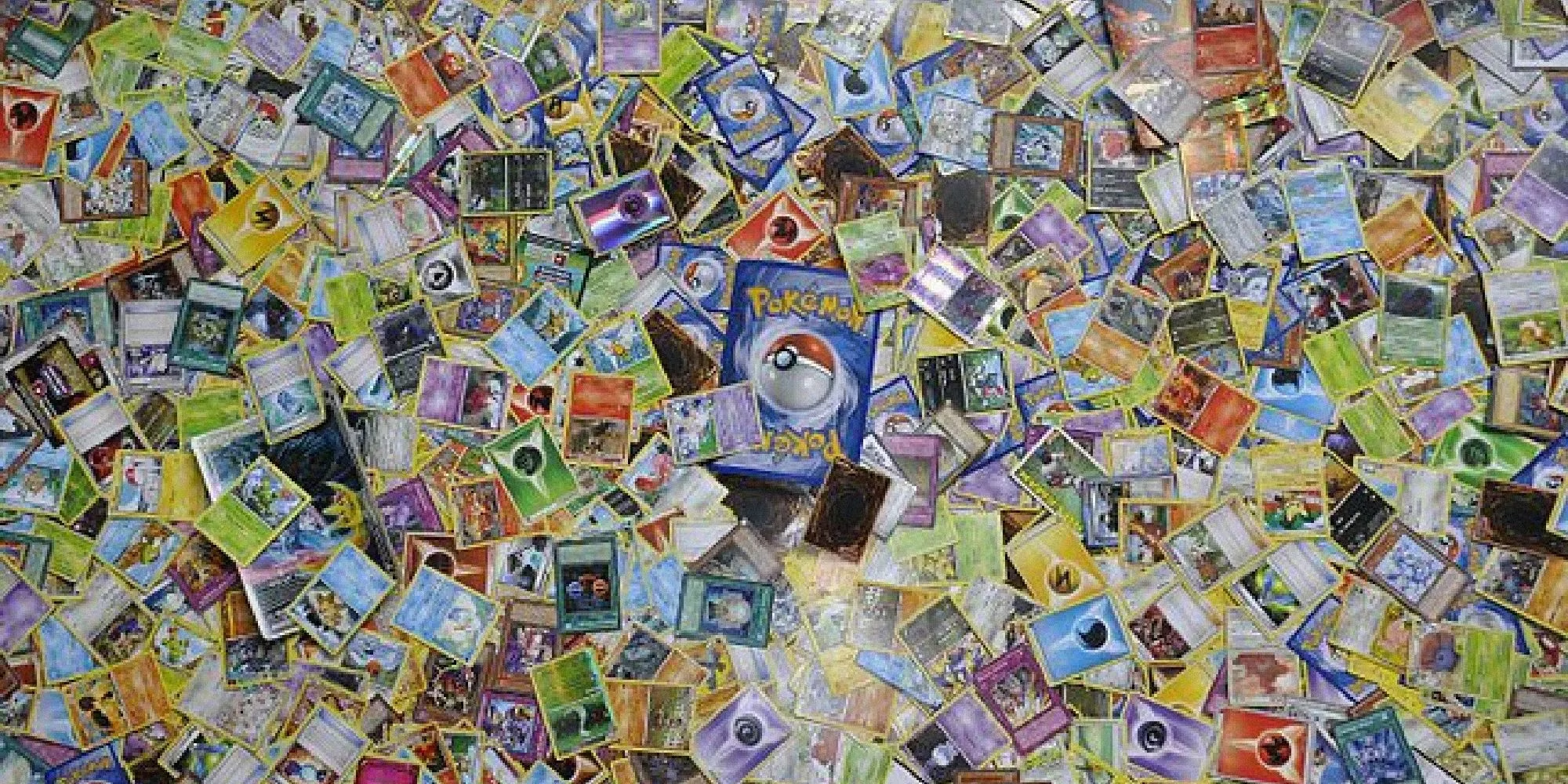
In a completely different but equally fascinating development, Shanghai authorities intercepted 7.2 tons of fake Pokemon cards at an airport. This massive seizure reminded everyone that counterfeiting remained a serious problem decades after the original Pokemon card craze. As someone who collects trading cards, I can tell you this incident made me much more careful about where I purchase collectibles. The scale was staggering—7.2 tons represents hundreds of thousands, if not millions, of counterfeit cards that could have flooded the market.
Nintendo provided a delightful surprise by refreshing their official Animal Crossing: New Horizons island, Ninten Island. Having launched about a year prior, the island received new items and seasonal furniture from the Version 2.0 update. What I loved most was that anyone could visit this island to see Nintendo's own creative vision for their game. It felt like getting a behind-the-scenes tour from the developers themselves.
 .jpg)
.jpg)
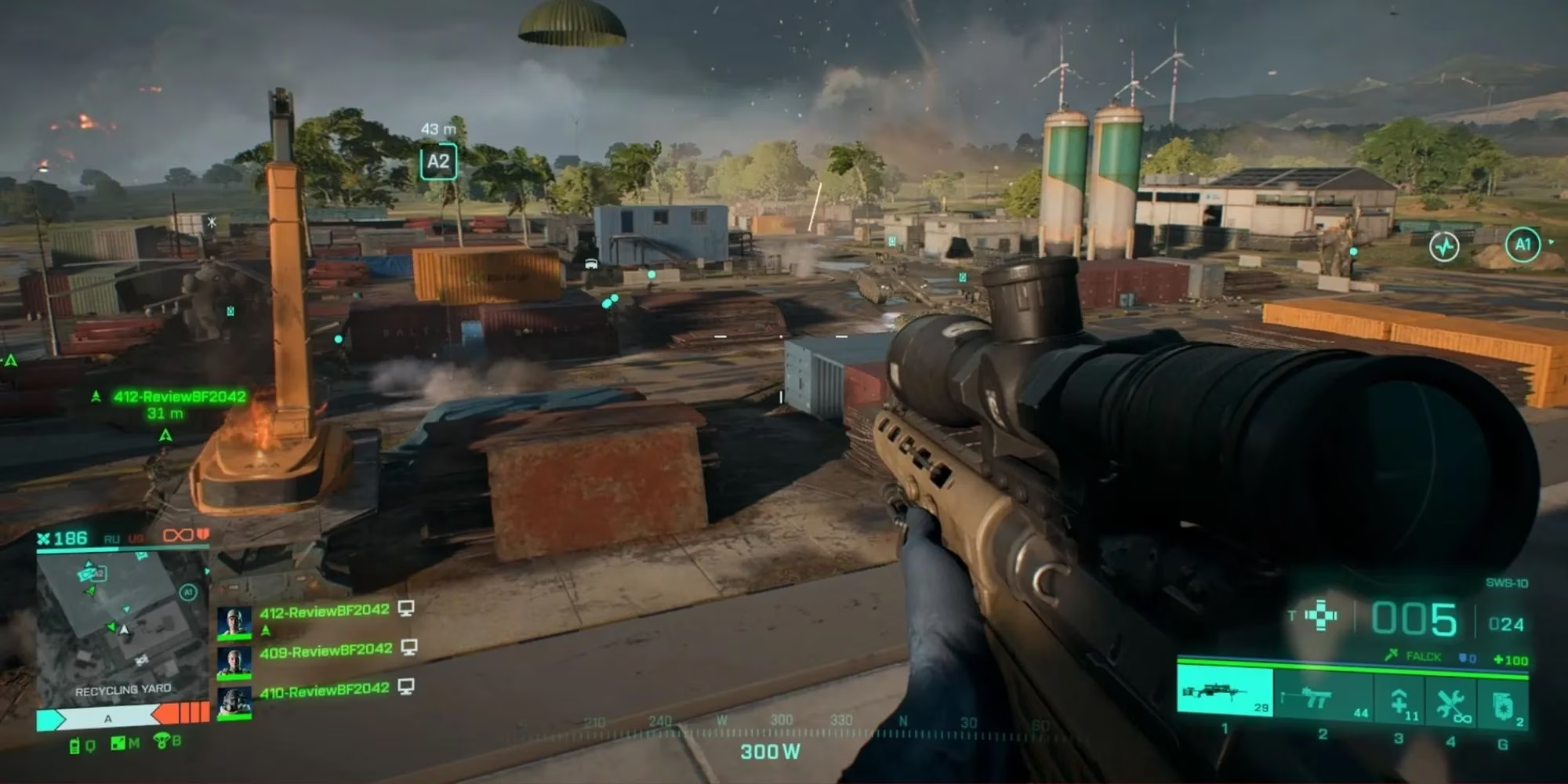
The Battlefield 2042 launch proved challenging for DICE, and their lead designer Florian took the remarkable step of personally responding to fan concerns on Twitter for days. This direct engagement represented a shift in how developers communicate with their communities. While the game had a rocky start, this transparency helped rebuild some trust. From my perspective as a player, seeing a lead designer actively listening and responding made me feel heard, even if I didn't always agree with the decisions.
Movie adaptations continued to struggle with critics, as evidenced by Resident Evil: Welcome to Raccoon City earning a mere 29% on Rotten Tomatoes. While not entirely surprising given the track record of video game movies at the time, it was still disappointing for fans hoping for a faithful adaptation. This contrasted sharply with the financial success of Pokemon Go developer Niantic, which reached a valuation of $9 billion. The augmented reality pioneer proved that mobile gaming could achieve staggering financial heights.
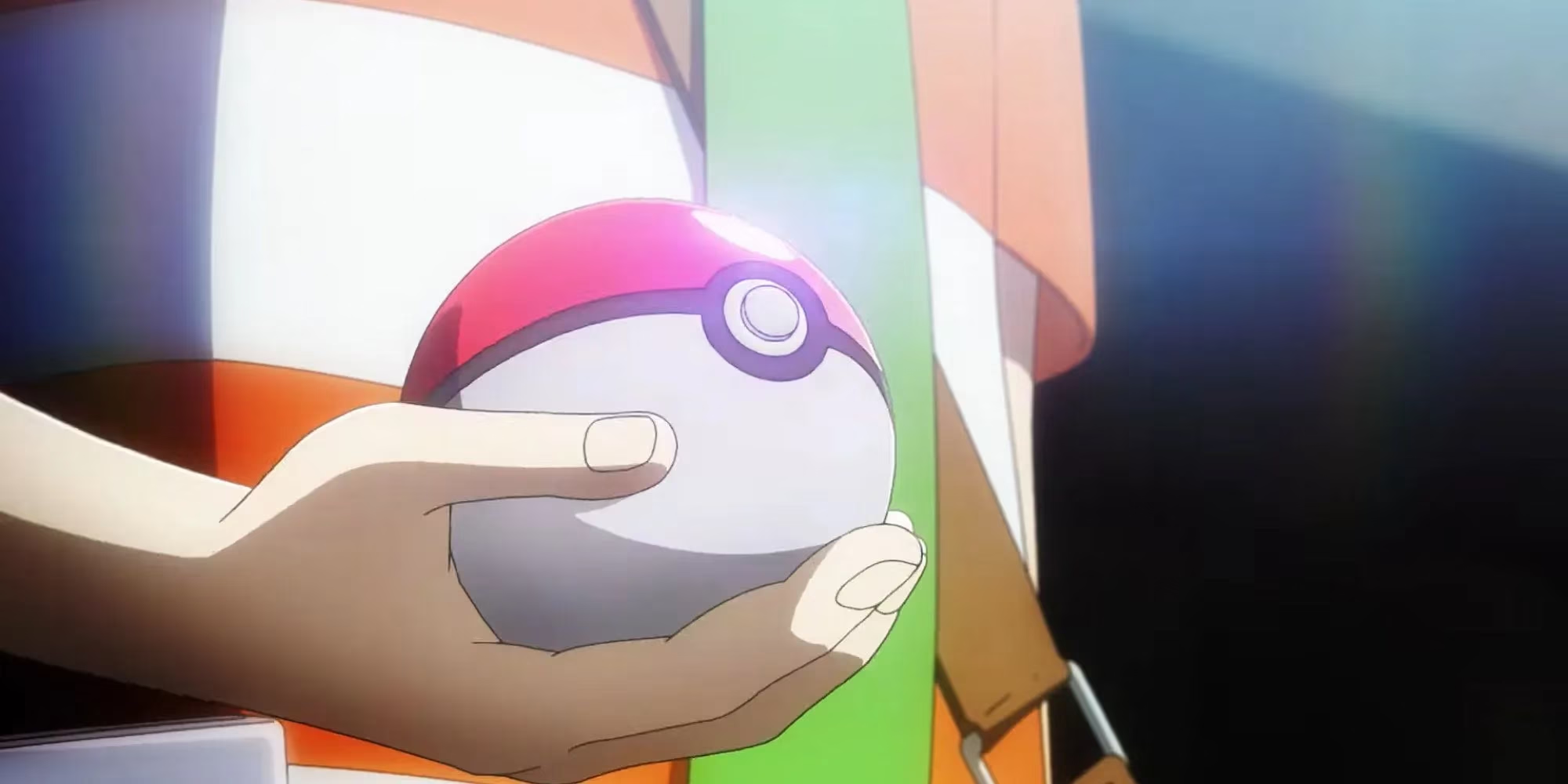
Pokemon Evolutions, the animated series, generated excitement with its final trailer revealing that weekly episodes would begin airing in December. As someone who grew up with Pokemon, seeing the franchise continue to expand into new media formats was thrilling. The series offered fresh perspectives on familiar regions and characters.
The Super Mario movie casting controversy saw film producer Chris Meledandri defending the choice of Chris Pratt as Mario. Meledandri insisted Pratt's voice performance was "phenomenal," though fans remained skeptical. This debate highlighted the passionate connection players have with iconic video game characters and their voices.
Remake announcements brought mixed reactions with reports that Chrono Cross, rather than the more popular Chrono Trigger, would receive a remake. While not the fan-favorite choice, this news excited those who appreciated the PlayStation classic's unique narrative and musical brilliance. The gaming community's divided response showed how different generations have different nostalgic touchstones.
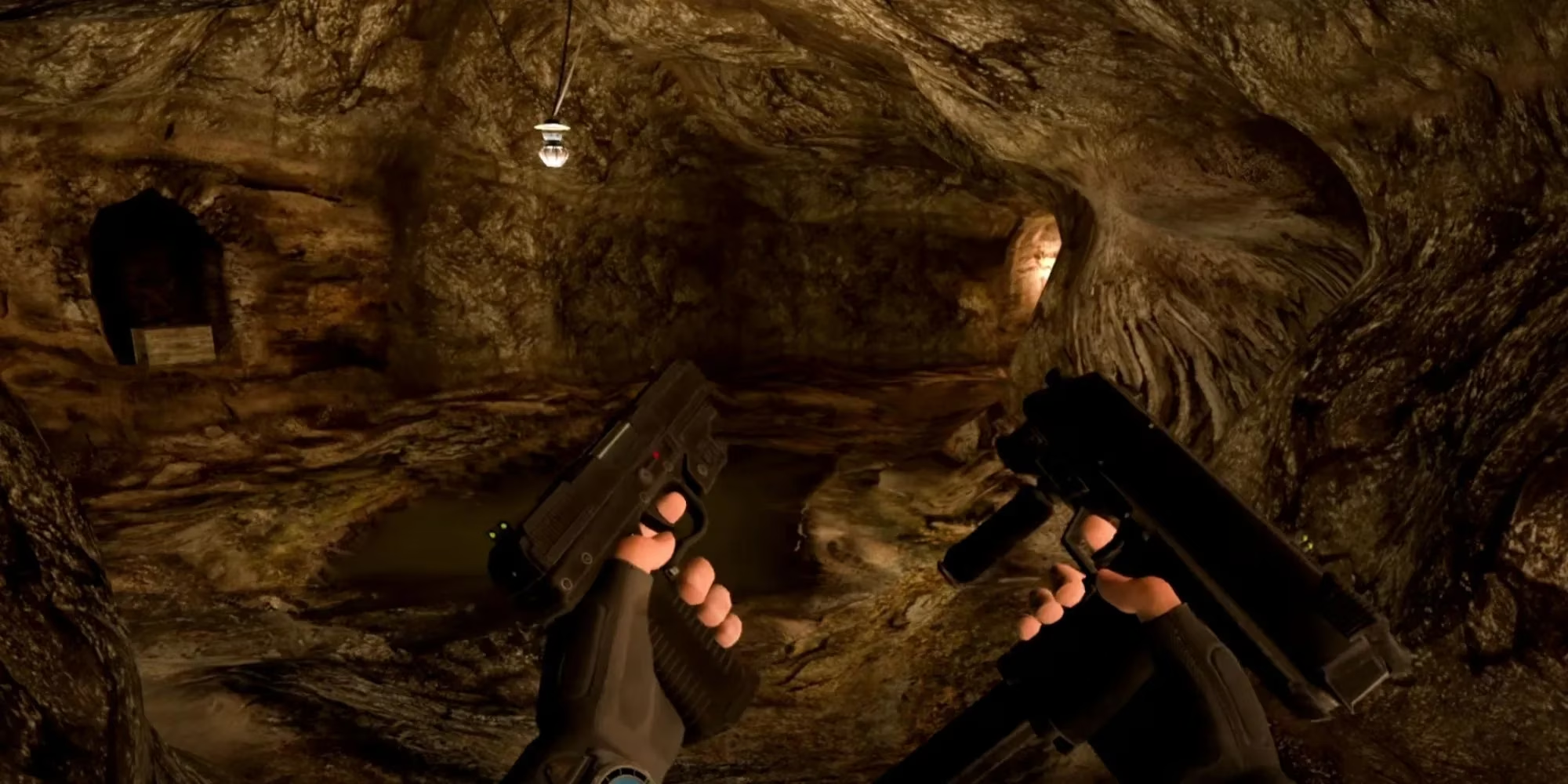
Resident Evil 4 VR received promising news about a Mercenaries mode update planned for 2022. The virtual reality adaptation had launched without several beloved modes, so this announcement gave players something to look forward to. The VR version's success demonstrated how classic games could find new life through emerging technologies.
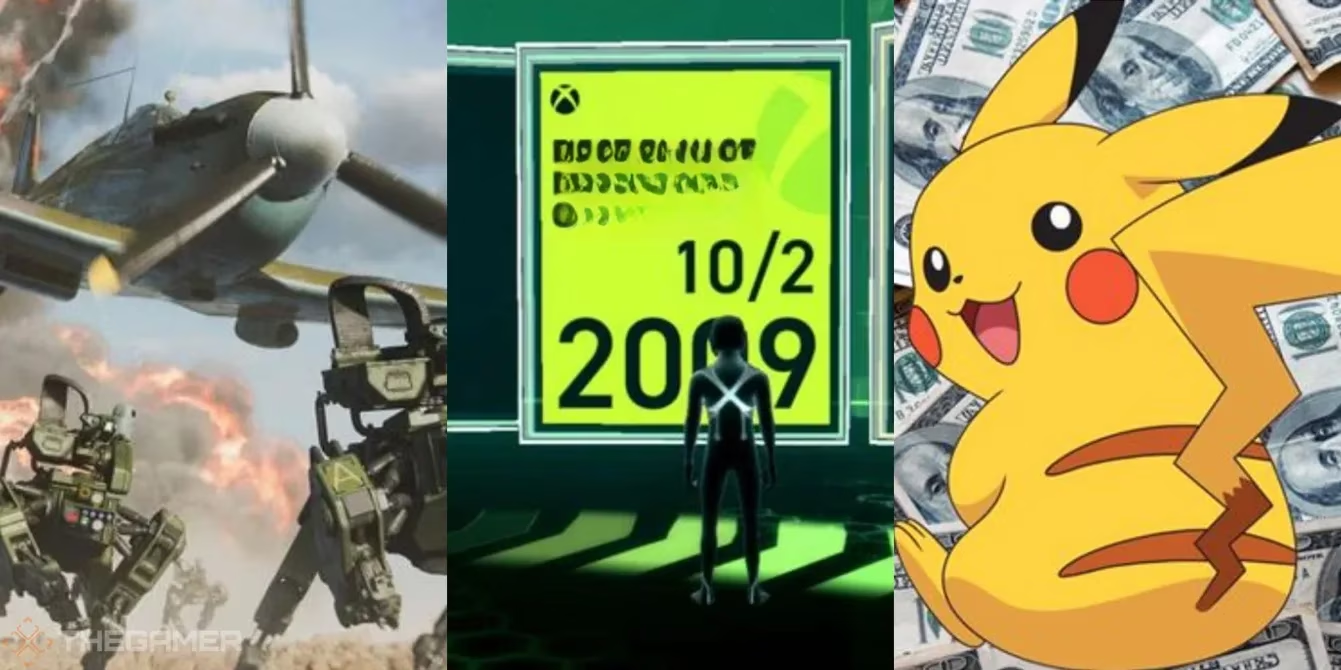
Microsoft embraced the metaverse concept early by creating a virtual gallery to celebrate Xbox's 20th anniversary. Players could wander through this digital space, exploring Xbox history in an immersive way. This innovative approach to corporate anniversary celebrations hinted at how gaming platforms would increasingly blend physical and digital experiences.
Reflecting on these stories from 2026, I can see how they represented turning points and trends that would define gaming for years to come:
-
Corporate accountability became non-negotiable
-
Counterfeit markets required constant vigilance
-
Developer-player communication evolved toward greater transparency
-
Classic game revitalization through remakes and VR continued to thrive
-
Cross-media adaptations remained challenging but financially rewarding
Each story, from the boardroom dramas to the creative updates, contributed to the rich tapestry of an industry that continues to surprise, challenge, and entertain millions of players worldwide. The gaming landscape of 2026 owes much to these developments that seemed like isolated news items at the time but collectively shaped our interactive entertainment ecosystem.
Comments