In the sprawling, vehicle-heavy universe of Battlefield, one map dared to be different, cramming 64 players into the claustrophobic, subterranean veins of Paris. Operation Metro, from 2011's Battlefield 3, was the franchise's glorious, grenade-spammed anomaly. While its contemporaries offered vast deserts and soaring skies, Metro offered tunnels, tight corners, and pure, unadulterated chaos. Its absence from the nostalgic playground of Battlefield 2042's Portal mode left a grenade-shaped hole in many a veteran's heart. As the gaming world looks toward the future in 2026, the cry for its triumphant, reimagined return in a potential Battlefield 6 grows louder. This wasn't just a map; it was a three-lane meat grinder that defined an era of infantry-focused frenzy.
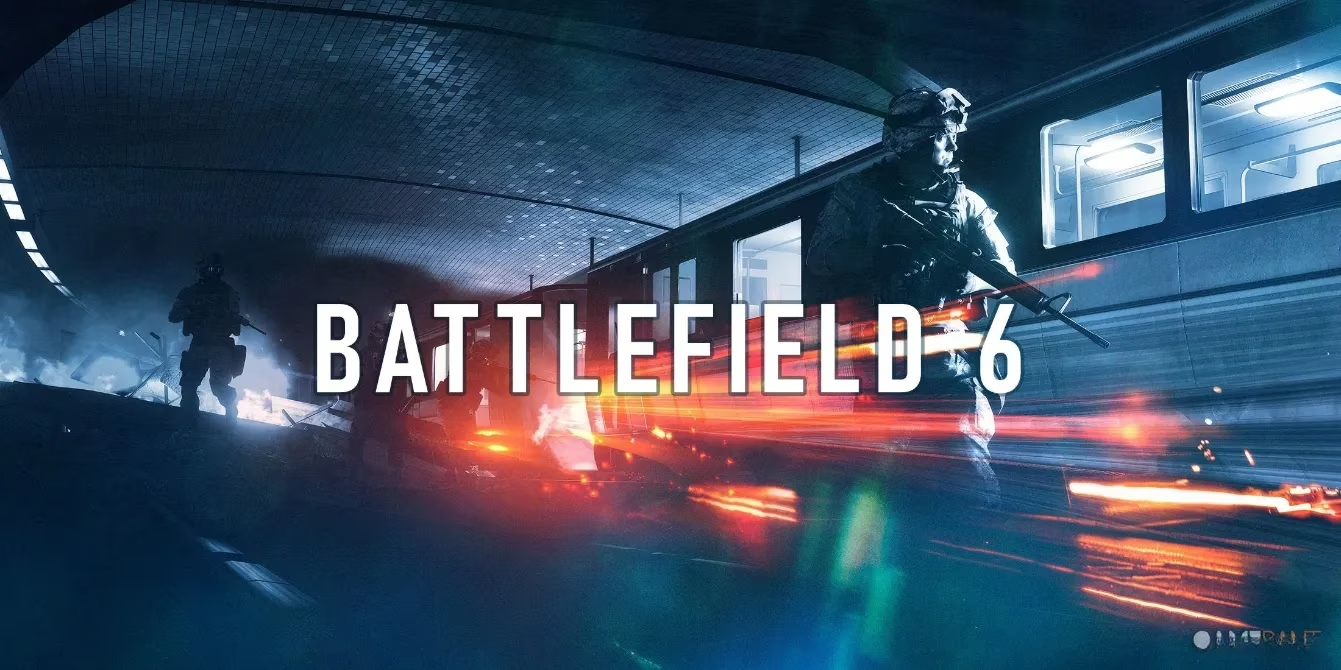
Let's be brutally honest: by traditional Battlefield "great map" standards, Operation Metro was a mess. No tanks to crush enemies with, no jets to scream across the sky, and certainly no sweeping vistas. Its layout? Essentially a linear sprint from a serene Parisian park down into the bowels of a metro station, culminating in a frantic fight over escalators and train platforms. It lacked the strategic depth of Caspian Border or the visual spectacle of a Levolution event. Yet, it possessed a magical, addictive quality that turned its shortcomings into strengths. The condensed design forced constant, relentless conflict. Every corridor was a potential kill zone, every choke point a glorious explosion of smoke, gunfire, and player models. It was the ultimate power-leveling paradise, a place where you could rack up kills, points, and unlocks at a breakneck pace. For players tired of running for minutes only to be sniped from a distant hill, Metro was a shot of adrenaline straight to the heart.
The map's DNA, while unique, did see attempts at replication. Battlefield 4 brought it back with a visual upgrade, and Battlefield V offered Operation Underground, a spiritual successor set in a war-torn city. But for purists, nothing quite matched the original's specific brand of mayhem. The question for 2026 isn't if it should return, but how. A simple, texture-updated port would satisfy nostalgia for a weekend before being discarded. The next iteration needs to evolve while preserving that core, chaotic soul.
So, how does one improve upon a classic without ruining it? The key is adding dynamic layers to the existing chaos, not redesigning the map's fundamental flow. Imagine the iconic central train platforms, but now with the rumble of an approaching train. This isn't just set dressing; it's a gameplay revolution. Picture the scene: a pitched battle is raging across the tracks. Suddenly, a warning horn blares, and lights pierce the tunnel's gloom. The fight instantly pivots. Players caught on the tracks must scramble for their lives, creating moments of hilarious panic and sudden vulnerability. The train itself could act as a temporary moving wall, cutting the battlefield in half and forcing teams to adapt their push or defense strategy on the fly. It's the perfect kind of "controlled chaos" that Battlefield thrives on.
Potential innovations for a Battlefield 6 version could include:
-
Dynamic Train Events: Trains that occasionally stop, doors opening to reveal a fresh wave of combat (or a valuable supply crate) right in the midfield. 🚇
-
Destructible Environments (Done Right): Not leveling entire walls, but allowing players to blow holes in specific sections of tunnel to create new, risky flanking routes or clear out entrenched campers.
-
Vertical Expansion: What if the classic map had a secret upper level? Maintenance catwalks above the main tunnels could offer new sightlines for daring players, adding a much-needed vertical element without sacrificing the close-quarters feel.
However, the developers would need to walk a tightrope. Change too much, and you lose the map's identity—that specific, grimy, fluorescent-lit atmosphere that made every grenade indicator a cause for heart-pounding terror. The core experience must remain: the frantic bottleneck at the first set of escalators, the long sightlines down the central corridor, the close-quarters brawls in the ticket hall. Any new element should feel like a natural part of Metro's world, not a gimmick bolted on.
| Aspect | Battlefield 3 Original | Battlefield 6 Potential |
|---|---|---|
| Core Gameplay | Linear, infantry-only chaos | Linear chaos with dynamic events |
| Key Feature | Grenade spam & choke points | Interactive trains & limited destruction |
| Atmosphere | Claustrophobic, tense | Evolved but familiar tension |
| Player Reaction | Love-it-or-hate-it classic | Renewed interest with strategic twists |
Fifteen years after its debut, Operation Metro's legacy is secure. It proved that Battlefield could excel in a tight, infantry-focused environment and created some of the most memorable, frustrating, and rewarding moments in the series' history. For a hypothetical Battlefield 6 looking to recapture the magic of the franchise's peak, giving this iconic map a smart, respectful, and explosive rebirth would be a masterstroke. It would be a love letter to the veterans who remember the 64-player grenade storms, and a thrilling introduction for a new generation of soldiers learning that in war, sometimes the biggest battles happen in the smallest spaces. The tunnels of Paris are quiet for now, but they're waiting, ready to echo once more with the sounds of warfare.
Comments