As the dust settled from Microsoft's seismic $68 billion acquisition of Activision Blizzard in early 2022, one name emerged at the peak of the third‑party publishing world: Electronic Arts. With rivals like Capcom, Square Enix, and Ubisoft still formidable but not quite matching its scale, EA had long nurtured a sprawling empire. Yet the real story wasn't about market position—it was about the games. From that turning point, a wave of ambitious projects roared onto the horizon, and by 2026, gamers could look back at a roadmap that fundamentally reshaped the company's legacy.
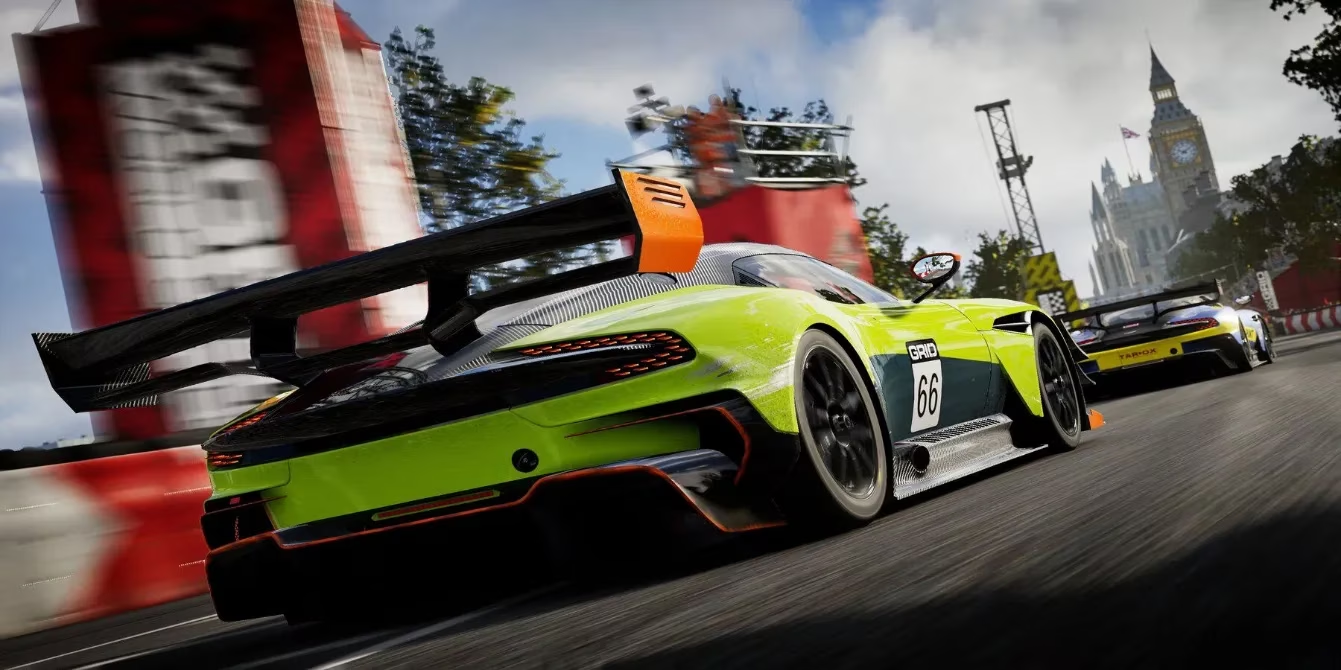
The journey began with a direct, asphalt‑gripping rush. In February 2022, EA unleashed Grid Legends, the first title from newly acquired Codemasters under its banner. The game didn't just inherit the studio's racing pedigree—it experimented with a story‑driven "Driven to Glory" campaign, blending live‑action cutscenes and over 130 tracks. Though the underdog‑to‑champion plot was familiar, it signaled EA's willingness to inject cinematic flair into its sports portfolio. Grid Legends would become a benchmark for how Codemasters integrated narrative, and its success paved the way for the publisher's deeper dive into immersive storytelling.
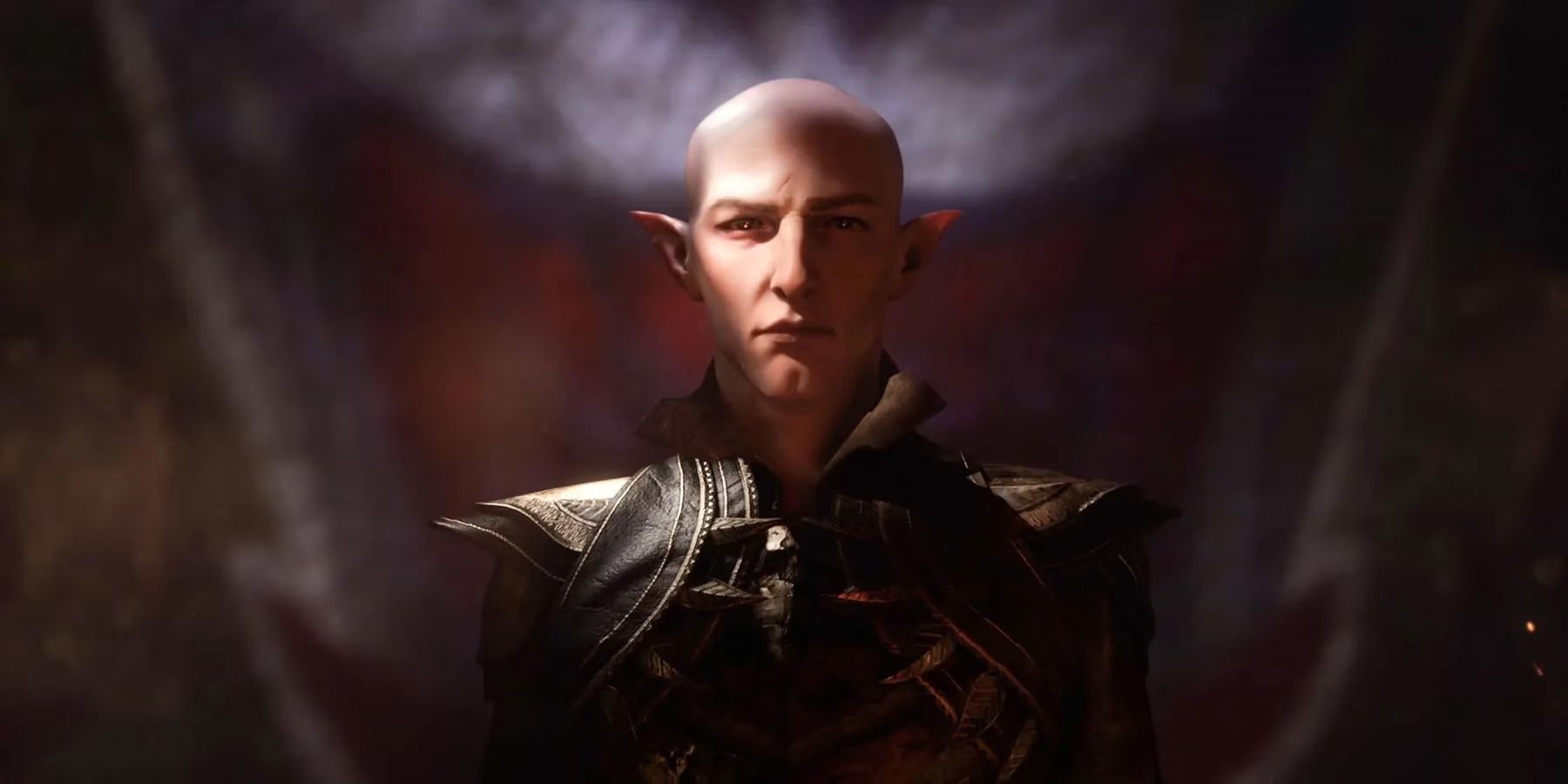
While engines were still cooling, fantasy fans had their sights set on a far more mythical destination. BioWare, the studio responsible for some of the most revered role‑playing sagas, had been quietly brewing Dragon Age 4. Early teasers hinted at a journey into Tevinter, a land only whispered about in Inquisition's Trespasser DLC. Solas, the Dread Wolf, loomed as the central figure, promising a confrontation built on years of lore. By 2026, the game had evolved into a sprawling single‑player epic that emphasized choice‑driven relationships—exactly what the community craved. Its long development cycle, while testing patience, turned into a badge of BioWare’s commitment to restoring the franchise’s golden age.
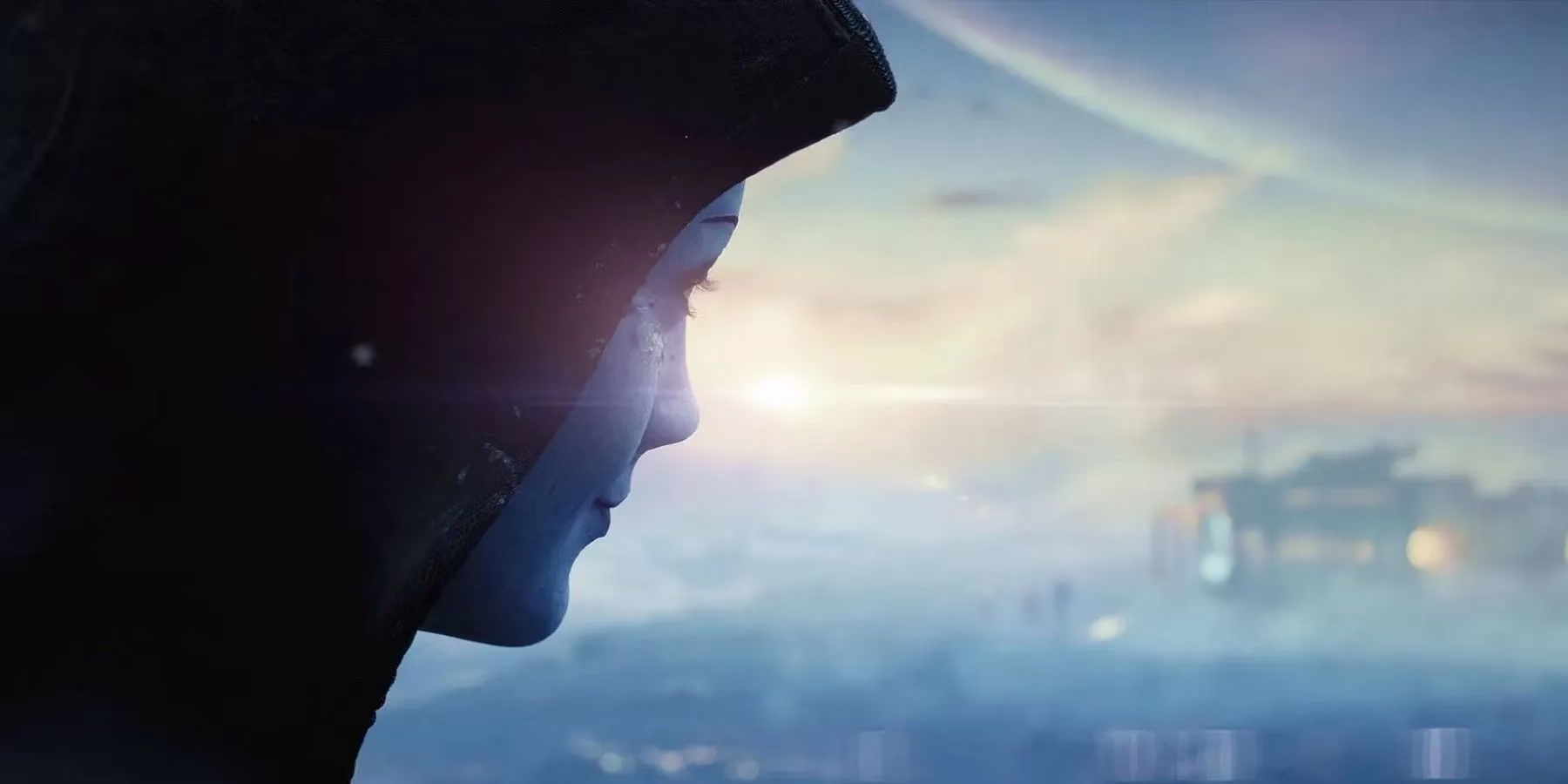
BioWare’s plate didn't stop at dragons and magic. Shortly after the Dragon Age revelations, a teaser rippled across the galaxy: a new Mass Effect was in the works. The short clip showed an Asari picking up a piece of N7 armor, and fans immediately speculated about Liara T'Soni's return. What made the project even more tantalizing was that many original trilogy developers had rejoined the team, and the shift back to Unreal Engine promised a far smoother development than Andromeda's turbulent Frostbite journey. Though the game would likely not land until after Dragon Age 4, its mere existence signaled that the Milky Way’s explorer spirit remained alive and thriving.
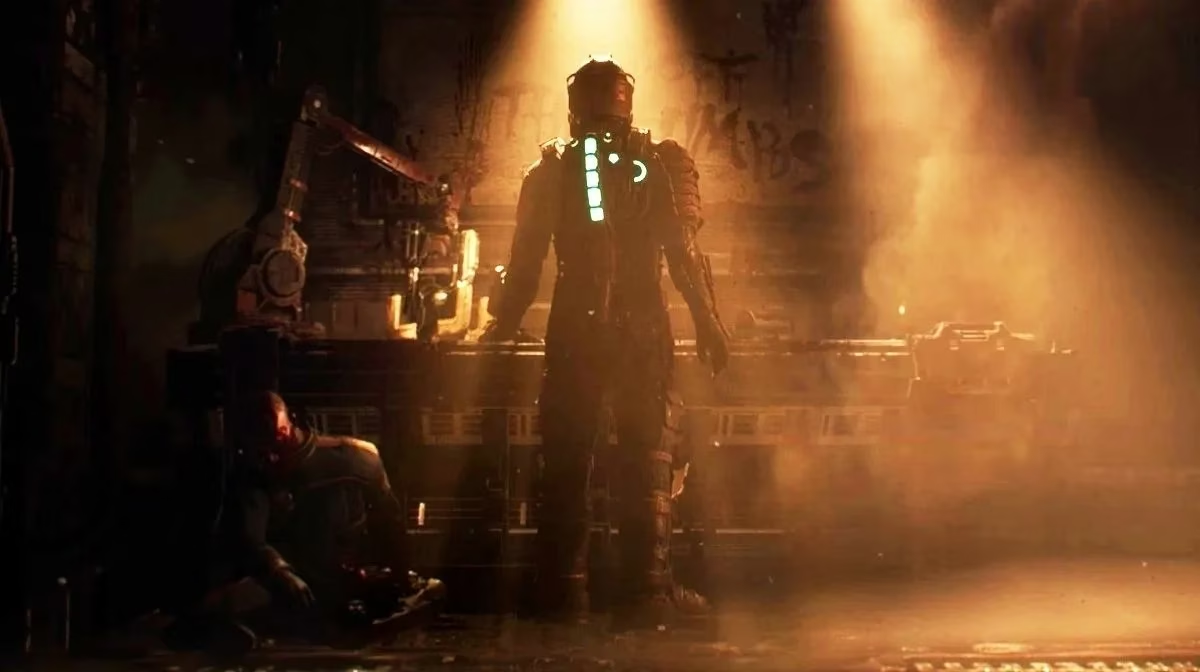
The past wasn't being forgotten either. Motive Studio, fresh from Star Wars: Squadrons, took on the terrifying task of reviving Dead Space. The remake, announced in 2021, stuck closely to the original’s claustrophobic atmosphere and strategic dismemberment, but added a peeling damage system and zero‑gravity controls inspired by Dead Space 2. Motive’s open communication with fans turned the project into a co‑creative pilgrimage, and when the final product arrived, it honored the horror classic while refining its modern edge.
Speed demons, meanwhile, got their own treat. Criterion Games, the Burnout creators, were handed the keys to a new Need for Speed, slated for Q4 2022. Having delivered iconic entries like Most Wanted and Hot Pursuit, Criterion aimed to revive the arcade‑racing heart of the series. When it launched, it reminded players why street racing culture could be both stylish and visceral, marking a welcome bounce back after some divisive previous releases.

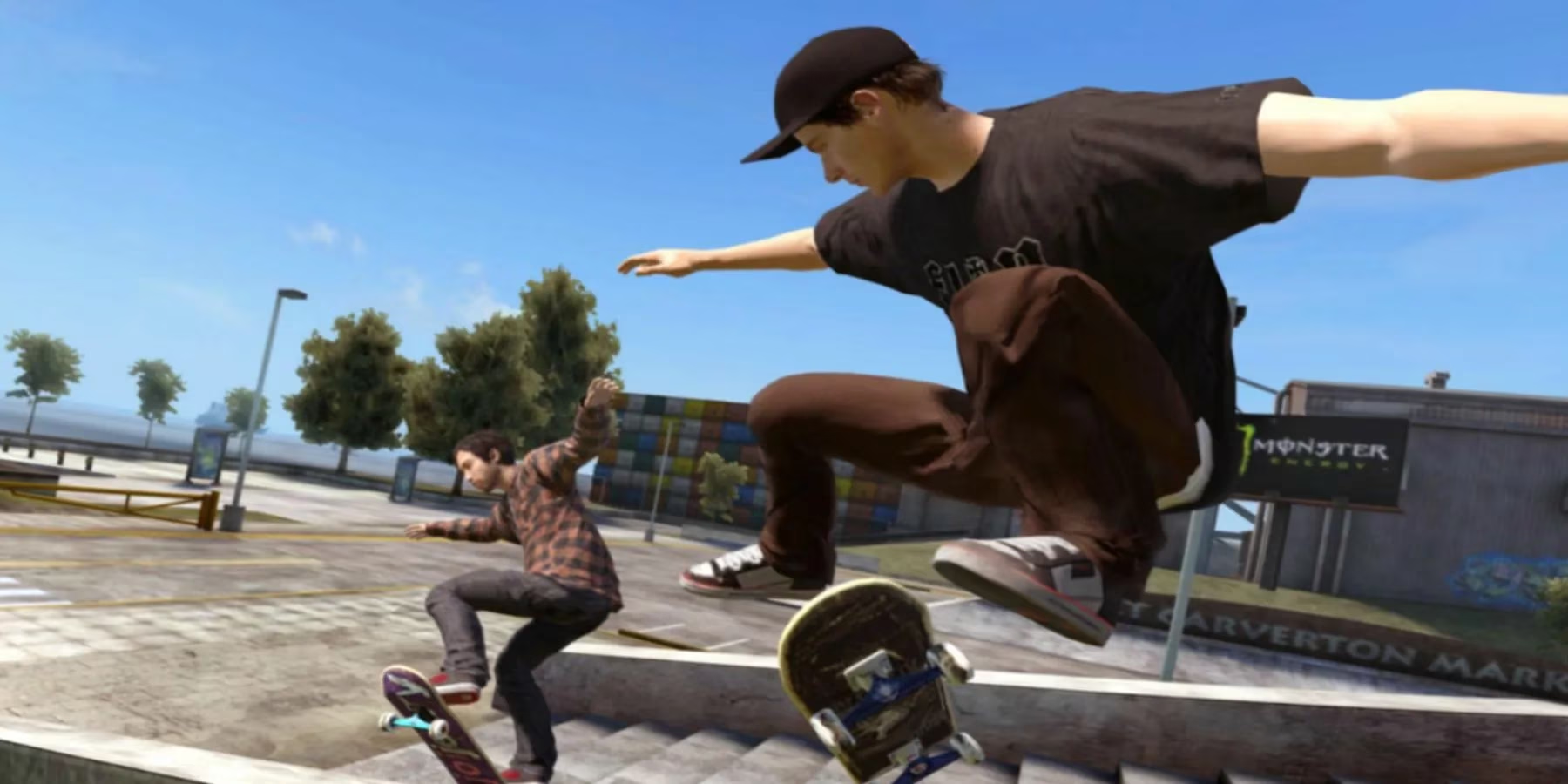
Then there was the cult‑classic comeback that the internet demanded for years: Skate 4. Announced at E3 2020, development was still in its early trenches in 2022, but the promise of a fully open‑world skateboarding sandbox with heavy user‑generated content kept the hype simmering. By 2026, the game had blossomed into a creative platform where players built their own parks and shared them worldwide, transforming the series into a living, breathing community hub.
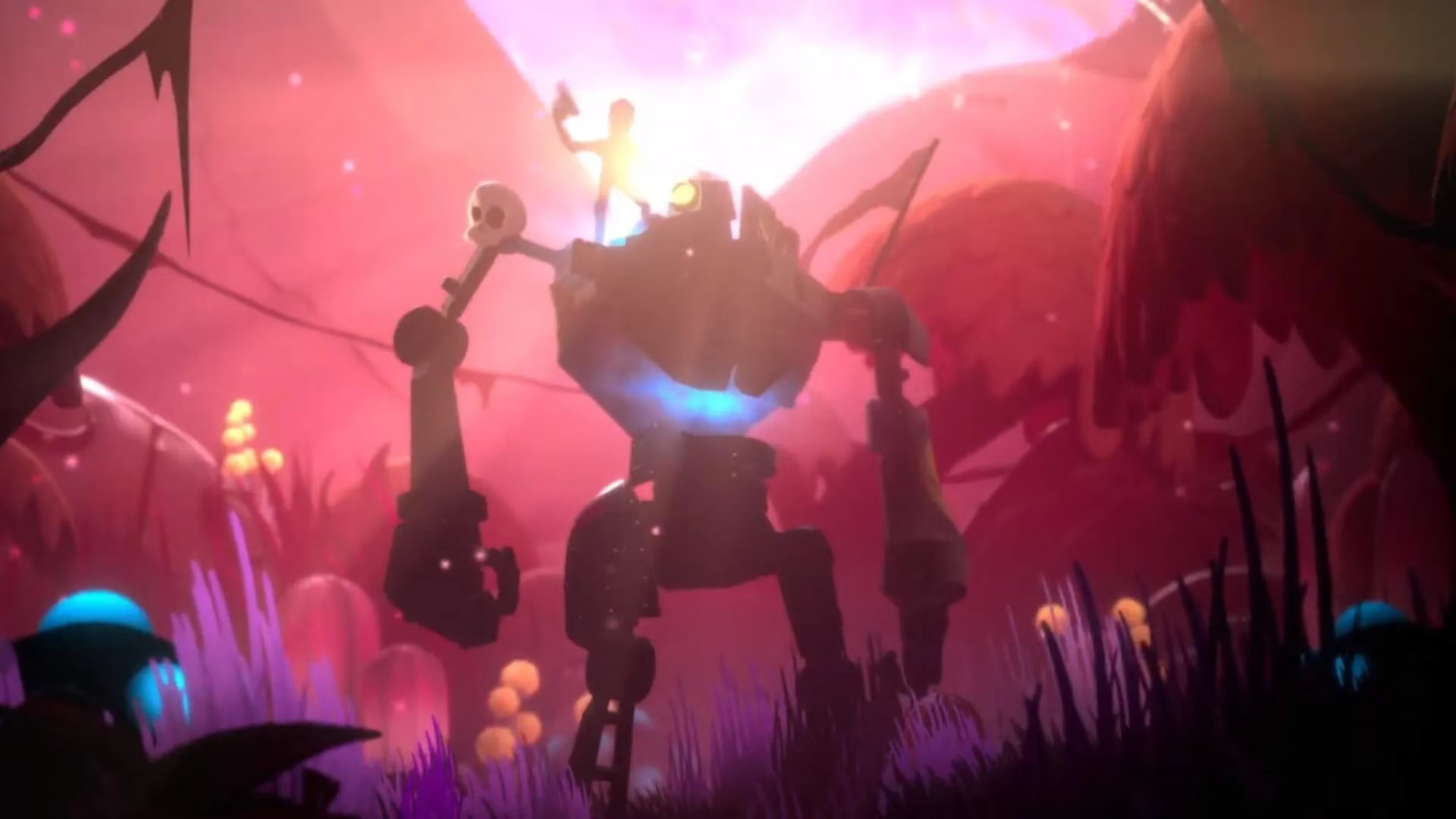
In the realm of new ideas, the EA Originals program delivered RustHeart, an action‑RPG featuring a towering robot companion. Developed by UK‑based Glowmade (with former Fable talent), the game’s quirky partnership mechanics and hand‑painted aesthetic gave it a distinct charm. Though it debuted quietly in 2019, its full release in the mid‑2020s demonstrated EA’s commitment to nurturing offbeat, heartfelt projects alongside its blockbusters.
No EA landscape would be complete without the galaxy far, far away. Respawn Entertainment, riding high off Jedi: Fallen Order, was entrusted with a trio of Star Wars titles. A sequel to Cal Kestis’s journey naturally topped the list, promising tighter souls‑like combat and a deeper connection to the Force. But Respawn didn't stop there: a first‑person shooter from original Battlefront executive producer Peter Hirschmann, and a strategy game from XCOM veterans at BitReactor, formed a strategic trinity. These three projects, staggered across the years, cemented EA’s contract as a steward of the Star Wars gaming universe.
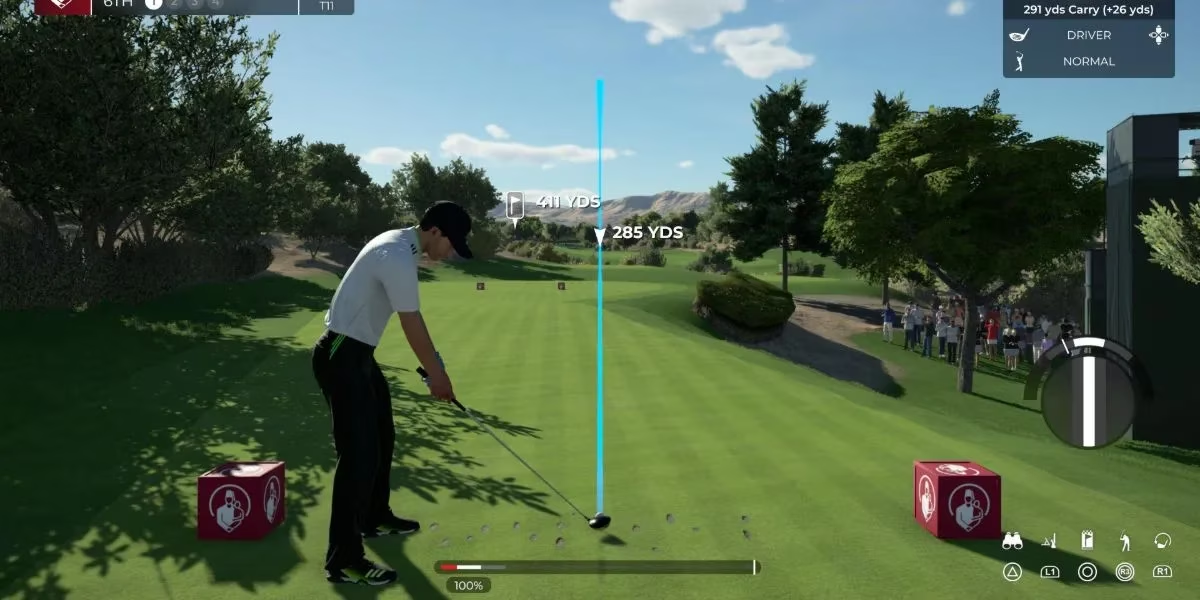
Sports flanks also received a massive boost. EA Sports College Football returned after a decade‑long hiatus, featuring over 100 schools and authentic player likenesses, dropping in the summer of 2023 to pandemonium. Meanwhile, the PGA Tour franchise aimed to deliver a genuine next‑gen golfing experience, incorporating women’s golf and the four major championships—though a delay from Spring 2022 pushed the tee time forward, it ultimately landed with a level of polish that justified the wait. And of course, the annual juggernauts—Madden, FIFA, NHL, and F1—continued their reliable yearly cycles, each iteration refining physics and modes.

Behind the scenes, EA’s studio expansion told its own story. Two new teams emerged: one in Seattle led by Marcus Lehto, co‑creator of Halo, tasked with shaping the future of Battlefield, and another under Kevin Stephens, ex‑Monolith VP, focused on an unannounced open‑world project. These moves signaled that EA wasn't just leaning on existing IPs—it was investing in fresh creative blood to steer its biggest franchises into uncharted territory.
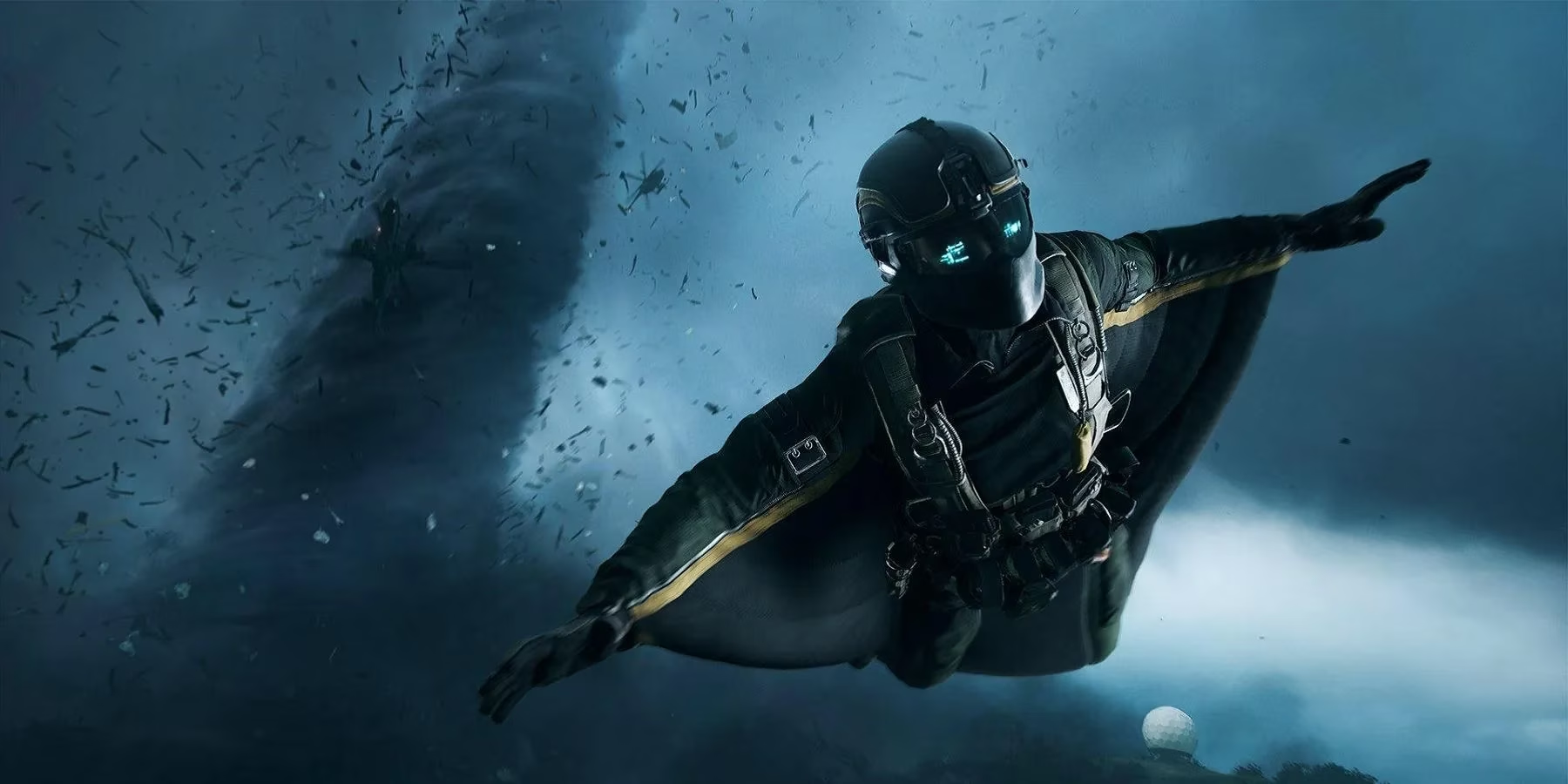
Looking back from 2026, the roadmap that EA laid out in the early 2020s was more than a release schedule—it was a declaration of intent. It mixed the comfort of beloved sequels with the risk of new worlds, balanced nostalgia with innovation, and turned acquired studios into genuine family members. For a publisher often criticized for playing it safe, this decade proved that when the right creative engines were funded and empowered, Electronic Arts could indeed deliver adventures worthy of its colossal stature.
Comments